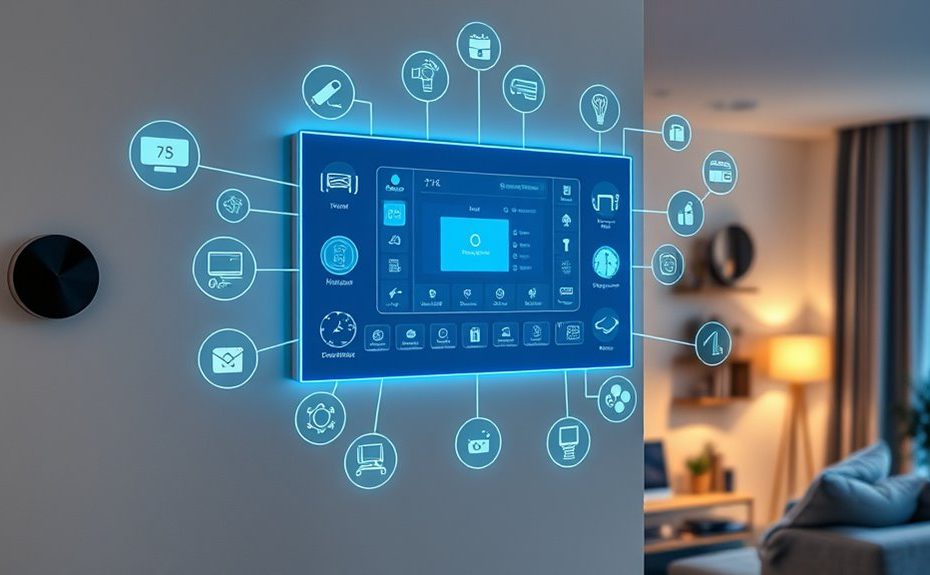
Open-source smart home platforms let you take full control of your home automation. They offer customization options, so you can tailor devices and automations to fit your needs. You’ll enjoy greater privacy since most systems keep data local and are transparent about how they work. While setting them up requires some technical skills and effort, the flexibility and ownership they provide make it worth it. Keep exploring to discover how these platforms can transform your living space.
Key Takeaways
Open-source smart home platforms enable full customization of devices and automation without proprietary restrictions.
They offer greater privacy by keeping data local and reducing reliance on cloud services.
Integration can be complex, often requiring manual setup and troubleshooting of compatible devices.
Community support and documentation help overcome technical challenges and expand functionality.
These platforms provide transparency, control, and adaptability for creating personalized, secure smart home environments.
Open-source smart home platforms are transforming how you manage and customize your living space. These platforms give you the power to tailor your smart devices and automation systems without relying on proprietary solutions. Instead of being locked into a specific vendor’s ecosystem, you gain flexibility, transparency, and control. You can choose the hardware and software components that best fit your needs, making your smart home more personalized and adaptable. However, as you explore this open approach, you’ll encounter some challenges, notably privacy concerns and integration difficulties.
Open-source smart home platforms offer flexible, customizable control over your living space, but require attention to privacy and integration.
Privacy concerns are a significant consideration when using open-source smart home platforms. Since these platforms often rely on community-developed software, you may worry about how your data is handled. Unlike commercial solutions that typically have dedicated security teams, open-source projects depend on community scrutiny, which can be both a strength and a weakness. You need to stay vigilant, ensuring that the platform you choose follows best practices for data encryption and security. You might also want to configure your system to keep sensitive information local, avoiding cloud storage whenever possible. By doing so, you reduce the risk of data breaches and unauthorized access, gaining peace of mind about your privacy. Still, it’s essential to stay informed about updates and vulnerabilities, as open-source projects can be targets for security flaws if not properly maintained. Additionally, understanding the importance of contrast ratio in display technology can help you optimize your visual interfaces for clarity and readability.
Integration challenges are another hurdle you may face when working with open-source solutions. Unlike commercial platforms designed for seamless compatibility with a wide range of devices, open-source systems often require manual setup and configuration. You might find it tricky to connect certain smart devices, especially if they use proprietary protocols or lack open APIs. This means you may spend time customizing integrations or troubleshooting compatibility issues. While this process can be rewarding and educational, it demands some technical skill and patience. You’ll need to research community forums, read documentation, and sometimes write your own code to bridge gaps between devices and platforms. The upside is that once you’ve overcome these hurdles, your smart home becomes highly versatile and tailored precisely to your preferences.
Despite these challenges, many enthusiasts find open-source smart home platforms worth the effort. They offer transparency, customization, and a sense of ownership that proprietary solutions can’t match. By staying proactive about privacy and dedicating time to integration, you can build a smart home that aligns perfectly with your lifestyle. It’s all about balancing your desire for control with the practical realities of setup and security. With the right approach, open-source platforms can turn your living space into a flexible, secure, and highly personalized environment that truly reflects your vision.
Frequently Asked Questions
How Secure Are Open-Source Smart Home Platforms Against Cyber Threats?
Open-source smart home platforms can be quite secure if you pay attention to encryption protocols and vulnerability management. You benefit from a transparent codebase, allowing you to identify and fix security flaws quickly. Regular updates and community scrutiny help patch vulnerabilities promptly. However, you must stay vigilant, implement strong encryption, and actively manage vulnerabilities to guarantee your smart home remains protected against cyber threats.
Can Open-Source Platforms Integrate With Proprietary Smart Home Devices?
Yes, open-source platforms can often integrate with proprietary smart home devices, but it’s not always seamless. You might encounter limitations in device compatibility, making some gadgets stubbornly resistant. However, their incredible customization options allow you to tinker endlessly until everything works together—if you’re willing to put in the effort. With patience and technical know-how, you can create a unified smart home experience that rivals, or even surpasses, closed systems.
What Is the Typical Cost Compared to Commercial Smart Home Solutions?
You’ll find that open-source smart home platforms typically have lower upfront costs compared to commercial solutions, thanks to free software and community support. The pricing comparison shows reduced installation costs since you often handle setup yourself or with minimal help. However, consider potential expenses for hardware compatibility or custom components. Overall, open-source options can save you money, but factor in your technical skills and desired features for an accurate cost estimate.
How User-Friendly Are Open-Source Smart Home Platforms for Beginners?
You might find open-source smart home platforms a bit intimidating at first, like assembling a complex puzzle. The user interface can be less intuitive, and setup complexity varies widely. However, with community guides and tutorials, beginners can gradually navigate the learning curve. While it may take more effort initially, many find the customization and control rewarding, turning a confusing setup into a satisfying DIY project.
What Is the Community Support Like for Troubleshooting and Updates?
You’ll find strong community support through active forums where users and developers exchange troubleshooting tips and updates. Community forums are vibrant, offering a wealth of shared knowledge, while frequent developer contributions guarantee the platform stays current with new features and fixes. This collaborative environment helps you resolve issues quickly and stay informed about the latest enhancements, making open-source smart home platforms reliable and continually improving thanks to dedicated community involvement.
Conclusion
Open-source smart home platforms offer you the freedom to customize and control your environment like a skilled captain steering a ship through open waters. With vibrant communities and endless possibilities, you can craft a home that truly reflects your needs and values. Embrace these platforms, and you’ll find yourself at the helm, steering a future where technology and personal touch blend seamlessly—turning your house into a living, breathing smart sanctuary.