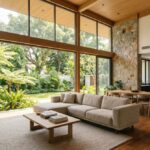
Modern living is about more than keeping up with the latest trends or filling a home with stylish furniture. It is about creating an environment that supports everyday routines, reflects personal preferences, and provides a comfortable place to relax and recharge. As lifestyles change, so do expectations about residential spaces. Homeowners increasingly want interiors that combine functionality, aesthetics, technology, and sustainability.
A well-designed home can have a meaningful impact on daily life. The right layout makes everyday activities easier, natural light improves the atmosphere, and carefully selected materials create a sense of warmth and balance. Achieving this combination requires thoughtful planning that considers not only how a property looks but also how people interact with it.
Designing Around the Way People Live
One of the most important principles of modern residential design is understanding the needs of the people who occupy a space. Every household has different routines, priorities, and expectations.
For some families, the kitchen and dining area are the heart of the home. These spaces need to accommodate cooking, shared meals, conversations, and sometimes even homework or remote work. Other households may prioritize quiet bedrooms, dedicated workspaces, or comfortable entertainment areas.
Instead of following a standard layout, homeowners should consider how each room will be used throughout the day. This helps determine furniture placement, storage requirements, lighting arrangements, and the relationship between different areas.
Open-plan layouts remain popular because they create a sense of connection between kitchens, dining rooms, and living areas. However, successful open-plan design still requires clear functional zones. Furniture, lighting, rugs, and subtle changes in materials can help distinguish different activities without making the space feel divided.
Why Architecture Matters in Modern Homes
Interior design often receives the most attention, but the architectural foundation of a property determines many of the possibilities available to homeowners.
Room proportions, ceiling heights, window placement, circulation routes, and structural elements all influence how a building feels and functions. When these details are considered early, it becomes easier to create a harmonious relationship between the building and its interior.
Professional Architektai can help transform individual ideas into practical architectural solutions. Whether planning a new home or renovating an existing property, professional architectural input can help balance visual appeal, technical requirements, and everyday functionality.
Good architectural planning also considers long-term needs. A home should ideally be adaptable as family circumstances change, allowing rooms to serve different purposes without requiring major alterations.
Natural Light and the Importance of Space
Natural light is one of the most valuable features of a comfortable home. It can make rooms feel larger, highlight architectural details, and create a more inviting atmosphere.
Large windows, glass doors, and carefully planned openings can help bring daylight into interior spaces. However, the amount and direction of sunlight should be considered carefully, particularly in regions with hot summers or strong direct sunlight.
Window treatments, external shading, and appropriate glazing can help control heat and glare while maintaining a bright interior.
The perception of space also depends on organization. A room does not need to be particularly large to feel comfortable. Clear circulation routes, appropriately sized furniture, and practical storage can make even compact apartments feel open and functional.
Mirrors and light color palettes can further enhance this effect, while consistent flooring and coordinated finishes help create visual continuity between rooms.
Choosing Materials That Combine Beauty and Durability
Materials play an essential role in the appearance and performance of a home. Natural wood, stone, ceramic, glass, and textured fabrics can introduce character while creating a balanced visual environment.
Wooden surfaces often bring warmth to contemporary interiors, while stone and ceramic finishes provide durability in frequently used areas such as kitchens and bathrooms.
When selecting materials, homeowners should consider maintenance requirements as well as appearance. Beautiful finishes are most valuable when they can withstand everyday use and retain their quality over time.
Sustainability is also becoming an increasingly important consideration. Durable furniture, responsibly sourced materials, and products with longer lifespans can help reduce unnecessary consumption.
Rather than replacing entire interiors whenever trends change, homeowners can create timeless foundations and introduce seasonal updates through smaller decorative elements.
Smart Technology for Greater Convenience
Technology is becoming an integral part of contemporary residential design. Smart lighting, automated climate control, connected appliances, and home security systems can make everyday routines more convenient.
These solutions are particularly useful when integrated into the architectural and interior planning process. Electrical installations, device placement, and wiring can be coordinated to maintain a clean appearance while supporting modern functionality.
Smart thermostats, for example, allow homeowners to manage indoor temperatures more efficiently. Automated lighting can adapt to different activities, while connected security systems provide additional control and peace of mind.
The best technology is often the kind that works quietly in the background. It should improve comfort without making a home feel unnecessarily complicated.
Creating a Connection With Nature
Bringing natural elements into residential spaces is another important aspect of modern living. Indoor plants, wooden furniture, stone textures, and views of outdoor greenery can make interiors feel more welcoming.
Even small apartments can benefit from this approach. A few carefully placed plants, natural fabrics, and access to daylight can create a calmer atmosphere.
Outdoor areas also deserve attention. Balconies, terraces, and gardens can become valuable extensions of the home when furnished and arranged thoughtfully.
Comfortable seating, suitable lighting, and weather-resistant materials can transform these areas into places for relaxation, reading, or spending time with family and friends.
A Home That Grows With You
A successful home should reflect its occupants while remaining flexible enough to accommodate future changes. Children’s rooms may eventually become study areas, guest bedrooms can double as offices, and living spaces can be rearranged as household needs evolve.
This is why flexibility, practical storage, and timeless design choices are so valuable.
Ultimately, modern living is not about creating a perfect showroom or following every new interior trend. It is about making thoughtful decisions that improve everyday experiences.
When architecture, functionality, natural materials, and personal style come together, a home becomes much more than a place to live. It becomes a comfortable, inspiring environment that supports the people who call it home.