Read the full analysis: How AI Workflow Automation Tools Are Shaping Work In 2027 on ThorstenMeyerAI.com
TL;DR
A source roundup identifies 15 books for readers exploring AI workflow automation, with recommendations spanning Microsoft Power Automate, no-code workflows, small-business functions and specialist fields. It is a guide to books, not evidence of new tools, adoption figures or workplace outcomes in 2027.
A roundup of 15 books on AI workflow automation recommends different guides for different work: Microsoft Power Automate for readers working in Microsoft’s automation environment, a no-code approach for hands-on beginners, and specialist books for areas such as network operations and accounting. The list offers reading recommendations, not evidence that particular tools are reshaping workplaces in 2027.
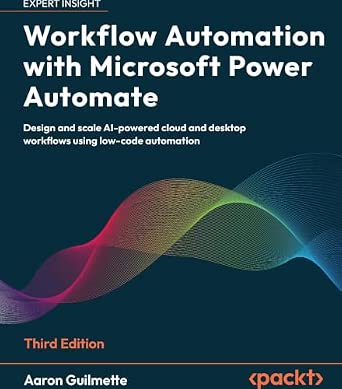
The roundup names Workflow Automation with Microsoft Power Automate as its leading practical choice for connecting automation to familiar business tools. It highlights Hands-On AI Workflow Automation as a no-code learning option and Building AI Agents for Network Operations for readers focused on technical NetOps work. The source does not provide publication dates, sales figures, independent testing or detailed evaluations of each book’s contents.
Other titles serve narrower audiences. The source describes a cluster of books for small-business automation, including AI Business Automation, which it says covers marketing, sales, customer support, research and operations. The AI-Powered Accountant focuses on accounting workflows, while The AI Workflow Rescue is singled out for attention to human judgment and review. These descriptions are the roundup’s characterizations, not independently verified assessments.
The selection criteria include audience fit, practical orientation, accessibility, technical depth and how much work each book covers. The ranking favors a practical entry point, then alternatives with distinct learning paths or professional focus. The source cautions that the books are recommendations, not software rankings, and that a title’s stated focus does not establish the quality or completeness of its methods.
Workflow Automation with Micro
AI Agents and Automation for B
Building AI Agents for Network
The AI Tools Book: A Practical
The No-BS Guide to AI Agents &
The 15 picks
Choosing a Guide for Real Workflows
For readers considering automation, the list’s main value is its distinction between learning paths and use cases. Someone trying to automate routine work in an existing Microsoft environment may benefit from a different guide than a developer building operational agents or a small-business owner surveying possible uses across several functions. Matching the book to the actual workflow can help avoid advice that is too broad or too technical.
The source also emphasizes human review as a design choice. Automating a repetitive step does not mean every downstream decision should run without oversight, especially where outputs can affect customers, finances or records. That is practical guidance from the roundup, not evidence that any particular book or automation method reduces risk.
How the 15 Books Were Compared
The roundup says it ranked the books by how directly their stated focus helps readers choose, design or manage AI-powered workflows. It considered beginner accessibility alongside specialist depth, treating technical detail as useful for practitioners but potentially difficult for readers seeking no-code help. A focused guide could rank ahead of a broader one when it better matches a defined task.
Its selection advice starts with the workflow rather than the AI label: identify what triggers a recurring task, what information it uses and what result is expected. It also recommends checking whether a guide matches the organization’s existing software, data and maintenance responsibilities. These points frame the list as a way to select learning material, not as a comparative benchmark of automation platforms or a forecast of workplace change.
What the Roundup Cannot Establish
The source material does not give a publication date or explain whether all 15 titles are current editions for 2027. It also provides no complete title-by-title list in the supplied text, no author or publisher details, and no independent review of the books’ accuracy, usability or results. The article therefore cannot confirm which titles have been updated or whether their instructions match current software versions.
Claims about a book’s intended audience and strengths are attributed to the roundup. The material includes no evidence about workplace adoption, productivity gains, costs, job effects or measurable business outcomes. Those questions remain outside the scope of the recommendations.
Match the Book to the Task
Readers can use the recommendations by first defining one workflow they want to change, then checking whether a book’s tools and technical level fit their needs. Before implementing any advice, they can map the task’s inputs and outputs, identify who will maintain the connections, and decide where human approval or verification is needed.
The supplied material does not announce a follow-up review or a future milestone. Any later assessment of how these books support work in 2027 would need to verify current editions and software guidance, and distinguish practical examples from independently measured results.
Key Questions
What is the roundup recommending?
It recommends 15 books about AI workflow automation, aimed at readers with different technical levels and professional needs. The supplied source highlights several titles but does not include the full list of 15.
Which book does the source favor for Microsoft users?
The roundup names Workflow Automation with Microsoft Power Automate as its leading practical choice for readers who want to work within Microsoft’s automation environment. It does not provide an independent comparison of the book against other guides.
Is this a ranking of automation software?
No. The source describes the list as book recommendations, not a ranking of software platforms. It compares stated audience, practical orientation, accessibility and technical focus.
Does the source show that these books improve productivity?
No. The material offers selection advice and descriptions of the books’ intended focus, but reports no measured productivity gains or workplace outcomes.
What should a reader check before applying a book’s advice?
Check that the guide fits the workflow, technical skill level and software already in use. The roundup also advises deciding which steps need human review, particularly when outputs may affect customers, finances or records.
Source: ThorstenMeyerAI.com