Finding the right Black Friday dash cam deals in 2027 requires balancing resolution, channel count, and reliability rather than just chasing the lowest price. My top overall recommendation is the REDTIGER F7NP because its STARVIS 2 sensor delivers superior night visibility, a critical factor for accident evidence. For those needing full vehicle coverage, the 70mai T800E stands out with its three-channel setup that monitors the road ahead, behind, and inside the cabin. The main tradeoff you will face is choosing between single-channel simplicity and multi-channel complexity, as adding rear or interior cameras increases installation time and storage demands. Read on to see how these models stack up against budget-friendly alternatives and premium 4K options.
UVVIO Dual Dash Cam with 4K Fr
REDTIGER F7N TOUCH 4K Front an
4K Front and Rear Dash Cam wit
70mai A810 Lite 4K Front and R
Complete the kit
Key Takeaways
Multi-channel setups like the 70mai T800E offer comprehensive coverage but require significantly more storage and harder installation than dual-channel rivals.Night vision quality is the primary differentiator among 4K models, with STARVIS 2 sensors outperforming standard 4K sensors in low-light scenarios.Budget dual-channel cams often sacrifice rear camera resolution, so check if the rear lens is 1080p or 4K before buying.Wi-Fi 6 connectivity, seen in the AFFVER A4, reduces file transfer times dramatically compared to older Wi-Fi 5 models.Compact models like the Vantrue E1 Lite prioritize stealth and ease of installation over high-resolution recording capabilities.
Our Top Black Friday Dash Cam Deals Picks
UVVIO Dual Dash Cam with 4K Front and 1080p Rear Cameras, 64GB CardBest for a Large Built-In ScreenFront resolution: 4K (3840 × 2160) at 30 FPSRear resolution: 1080p (1920 × 1080) at 30 FPSDisplay: 3.59-inch IPSVIEW LATEST PRICESee Our Full Breakdown70mai T800E 3-Channel 4K Dash Cam with Front, Interior, and Rear CamerasBest for Rideshare and Cabin CoverageChannels: 3: front, interior, and rearVideo resolution: 4K front; 1080p interior and rearFrame rate: 30 FPSVIEW LATEST PRICESee Our Full BreakdownREDTIGER F7N TOUCH 4K Front and 1080P Rear Dash Cam with GPS and 128GB CardBest for Touchscreen ControlsFront resolution: 4K UHD (2160p)Rear resolution: 1080p FHDField of view: 170° front; 140° rearVIEW LATEST PRICESee Our Full Breakdown4K Front and Rear Dash Cam with 128GB Memory Card, Wi-Fi, GPS, and App ControlBest Value for Included StorageVideo resolution: 4K; rear resolution not specifiedCamera coverage: Front and rearField of view: 170° front; 140° rearVIEW LATEST PRICESee Our Full Breakdown70mai A810 Lite 4K Front and Rear Dash CamBest for Low-Light Recording and ExpansionFront resolution: 4K (3840 × 2160)Rear resolution: 1080pField of view: 140°VIEW LATEST PRICESee Our Full BreakdownICESKY S03 4K 4-Channel Dash Cam with GPS and Wi-Fi 6Best for Maximum CoverageCamera channels: 4Front resolution: 4K (2160p)Other camera resolution: 1080p rear, interior, left, and rightVIEW LATEST PRICESee Our Full BreakdownXYGCACO 4-Channel 360° Dash Cam with 4K Front and Three 1080p CamerasBest Four-Channel Value PickChannels: 4Front resolution: 4K (2160p)Other camera resolution: 1080pVIEW LATEST PRICESee Our Full BreakdownNeideso N300 4-Channel 360° Dash Cam with Front, Rear, and Interior CamerasBest for Hands-Free ControlsModel: N300Camera channels: 4Recording options: 4K+1080P; 4K+1080P+1080P; 2K+1080P×3VIEW LATEST PRICESee Our Full BreakdownREDTIGER F7NP 4K Front and Rear Dash Cam with STARVIS 2 Sensor and 128GB Memory CardBest for Clear Front-and-Rear RecordingFront resolution: 4K (2160p)Rear resolution: 1080pSensor: STARVIS 2 CMOSVIEW LATEST PRICESee Our Full BreakdownROVE R2-4K Dual Dash Cam with Front and Rear CamerasBest for Flexible Parking ModesFront video source: 2.5K QHD, upscaled to 4K (2160p)Rear resolution: 1080p Full HDFront sensor: Sony STARVIS 2 IMX675, 5MPVIEW LATEST PRICESee Our Full Breakdown70mai F800 4-Channel 4K Dash CamBest Comprehensive CoverageFront/Rear Resolution: 4K (3840 × 2160) at 30 FPSSide Camera Resolution: 1080pField of View: 140° (Front/Rear), 148° (Side)VIEW LATEST PRICESee Our Full BreakdownAFFVER A4 4K Front and 2.5K Rear Dash CamBest Balanced Dual-ChannelFront Resolution: 4K UHD at 30 fpsRear Resolution: 2.5K at 25 fpsField of View: 160° Front, 155° RearVIEW LATEST PRICESee Our Full Breakdown3-Channel 4K Dash Cam with 5 GHz Wi-FiBest for Interior MonitoringFront Resolution: 4KInterior Resolution: 1440pRear Resolution: 1080pVIEW LATEST PRICESee Our Full Breakdown4K Dual-Channel Dash Cam with 1440p Rear CameraBest High-Capacity StorageFront Resolution: 4K (2160p)Rear Resolution: 1440pField of View: 170° Front, 150° RearVIEW LATEST PRICESee Our Full BreakdownVantrue E1 Lite Mini Dash CamBest Compact Entry-LevelVideo Resolution: 1080p Full HDFrame Rate: 30 FPSField of View: 160 degreesVIEW LATEST PRICESee Our Full Breakdown
More Details on Our Top Picks
UVVIO Dual Dash Cam with 4K Front and 1080p Rear Cameras, 64GB Card
For drivers who want to check footage on the camera itself, the UVVIO CT706’s 3.59-inch screen is the largest display in this group. Its 4K front and 1080p rear recording, GPS, and 5.8 GHz Wi-Fi cover the core needs of a dual-camera setup, while the wide 170-degree and 140-degree views help capture more of the road around the car. Compared with the REDTIGER F7N TOUCH, it offers a bigger screen but includes a smaller 64GB card rather than 128GB. Loop recording and impact-triggered locking help retain incident clips; time-lapse parking monitoring is available only with a separately obtained hardwire kit. The main limitation for frequent recording is its 128GB maximum card capacity, which leaves less room than the 70mai T800E supports.
Best for: Drivers who want a large onboard display for checking framing and reviewing clips without relying on a phone.
Not ideal for: High-mileage drivers who want long recording history, since storage tops out at 128GB, or owners who want parking monitoring without buying a hardwire kit.
Front resolution:4K (3840 × 2160) at 30 FPSRear resolution:1080p (1920 × 1080) at 30 FPSDisplay:3.59-inch IPSField of view:170° front; 140° rearConnectivity:5.8 GHz Wi-FiGPS:Built-inIncluded memory card:64GB SD cardMaximum supported card:128GBParking mode:Time-lapse monitoring; hardwire kit required
“Choose the UVVIO if an easy-to-view built-in screen matters more than expandable storage or a larger included memory card.”
70mai T800E 3-Channel 4K Dash Cam with Front, Interior, and Rear Cameras
The 70mai T800E is the standout here for drivers who need evidence from inside the cabin as well as from the road: it records 4K up front and 1080p inside and behind. That third view makes it a stronger fit for rideshare work or fleet vehicles than the dual-camera UVVIO CT706 and REDTIGER F7N TOUCH. Switchable interior infrared and HDR are useful when cabin lighting is poor, while Wi-Fi 6, voice control, and built-in GPS add convenience beyond basic recording. The included 64GB card is a starting point, not a generous archive, but the T800E supports up to 512GB—well beyond the UVVIO’s 128GB limit. Its tradeoffs are the small 1.9-inch screen, no 4G connectivity, and parking monitoring that requires a compatible hardwire kit.
Best for: Rideshare drivers, taxi operators, and families who want one camera system to record the road, cabin, and rear view.
Not ideal for: Drivers who only need forward and rear coverage, prefer a large onboard screen, or want remote 4G access.
Channels:3: front, interior, and rearVideo resolution:4K front; 1080p interior and rearFrame rate:30 FPSField of view:402° totalDisplay:1.9-inch IPSConnectivity:Wi-Fi 6GPS:Built-in, five-mode GPSStorage:64GB microSD included; supports up to 512GBParking monitoring:G-sensor monitoring; compatible hardwire kit required
“Pick the T800E if cabin footage is a priority and you can accept a small screen and hardwire-dependent parking monitoring.”
REDTIGER F7N TOUCH 4K Front and 1080P Rear Dash Cam with GPS and 128GB Card
The REDTIGER F7N TOUCH pairs familiar two-camera coverage with a 3.18-inch touchscreen, voice control, and physical buttons, giving drivers several ways to manage settings or lock a clip. It records 4K at the front and 1080p at the rear, with GPS, WDR, HDR, and a STARVIS 2 sensor adding useful support for varied light and incident documentation. Against the UVVIO CT706, the REDTIGER includes twice the card capacity out of the box, though the UVVIO has a larger display. There is a specification mismatch worth checking before relying on the included card: the listing says a 128GB card is included but lists 64GB as the maximum supported size. Parking monitoring also needs a separate hardwire kit, so this is not the simplest pick for drivers seeking plug-and-play parked-car coverage.
Best for: Drivers who want touch and voice controls, built-in GPS, and a larger included memory card for everyday front-and-rear recording.
Not ideal for: Buyers who need clear, consistent storage guidance or want parking monitoring without installing a separate hardwire kit.
Front resolution:4K UHD (2160p)Rear resolution:1080p FHDField of view:170° front; 140° rearDisplay:3.18-inch LCD touchscreenConnectivity:5.8 GHz Wi-FiGPS:Built-inIncluded memory card:128GBMaximum supported card:64GB listedFrame rate:Front: 24 or 30 FPS; rear: 30 or 60 FPS
“Choose the F7N TOUCH for flexible onboard controls, but check the storage compatibility details before counting on its included card.”
4K Front and Rear Dash Cam with 128GB Memory Card, Wi-Fi, GPS, and App Control
This dual-channel model makes a practical case for itself with 4K front recording, rear coverage, and a 128GB card included. That storage gives it an advantage over the UVVIO CT706’s 64GB card at setup, while its 3.39-inch IPS display sits between the UVVIO’s larger screen and the REDTIGER F7N TOUCH’s smaller one. GPS and 5.8 GHz Wi-Fi with app control provide straightforward ways to manage routes and footage; HDR, night vision, loop recording, and G-sensor locking round out the everyday essentials. The listing does not give a separate rear resolution, so buyers should confirm that detail if rear-image quality is a deciding factor. Like the other hardwire-dependent options, its 24-hour parking monitoring takes extra installation, and the card must be formatted in the camera before first use.
Best for: Drivers seeking a straightforward front-and-rear setup with GPS, app access, and a larger included card for regular recording.
Not ideal for: Buyers who need a clearly specified rear resolution, three-channel cabin recording, or parking monitoring without extra wiring.
Video resolution:4K; rear resolution not specifiedCamera coverage:Front and rearField of view:170° front; 140° rearDisplay:3.39-inch IPSConnectivity:5.8 GHz Wi-Fi and USB Type-CGPS:Built-inIncluded memory card:128GBParking monitoring:24-hour monitoring; compatible hardwire kit requiredWarranty:2 years
“This is a sensible storage-first pick for drivers who want app-connected dual-camera recording, provided the unspecified rear resolution meets their needs.”
70mai A810 Lite 4K Front and Rear Dash Cam
The 70mai A810 Lite suits drivers who want a compact two-camera system with room to grow: it pairs 4K front and 1080p rear video with Wi-Fi 6, GPS, voice control, and support for cards up to 512GB. Its f/1.55 lens and HDR are aimed at improving low-light footage, while the supercapacitor is specified for stable operation across demanding temperatures. Compared with the UVVIO CT706, the A810 Lite supports far more storage and adds 4G LTE support; unlike the T800E, it records no interior view. The listed 140-degree field of view is narrower than the UVVIO and REDTIGER front views, so drivers prioritizing maximum stated coverage may prefer those alternatives. Its included card is only 64GB, and both parking mode and LTE access require compatible hardwire hardware.
Best for: Drivers who want a dual-camera system with low-light features, high storage capacity, voice control, and the option to add remote connectivity.
Not ideal for: Drivers who need cabin footage, the widest listed front view, or parking and LTE functions without buying compatible hardwire equipment.
Front resolution:4K (3840 × 2160)Rear resolution:1080pField of view:140°Maximum aperture:f/1.55Display:3.18 inchesConnectivity:5GHz Wi-Fi 6, USB; 4G LTE supportGPS:GPS, GLONASS, and BDSStorage:64GB card included; supports up to 512GBParking mode:Impact detection and time-lapse; compatible hardwire kit required
“Choose the A810 Lite if low-light features and expandable storage matter more than cabin recording or a wider stated field of view.”
ICESKY S03 4K 4-Channel Dash Cam with GPS and Wi-Fi 6
For drivers who want evidence from more than the road ahead, the ICESKY S03 records front, rear, cabin, and both sides, pairing 4K front video with 1080p footage from the other cameras. That broader view is its main advantage over the REDTIGER F7NP, which records front and rear only. Built-in GPS adds route and speed information, and the included 128GB card gives you a useful amount of storage before you need to shop for another card. Wi-Fi 6 supports app access, while impact detection and loop recording help manage clips. The tradeoff is a more involved multi-camera setup, and 24-hour parking monitoring needs a separately purchased hardwire kit. Product information also conflicts on screen size: the description says 3 inches, while one listed specification says 0.3 inches.
Best for: Drivers who want front, rear, cabin, and side coverage in one system, such as rideshare drivers or owners who regularly park in busy areas.
Not ideal for: Drivers seeking a straightforward two-camera installation, or anyone who wants dependable display-size information before buying.
Camera channels:4Front resolution:4K (2160p)Other camera resolution:1080p rear, interior, left, and rightField of view:360 degreesWi-Fi:5.8GHz Wi-Fi 6GPS:Built-inIncluded storage:128GB microSD cardMaximum supported storage:512GB microSD cardParking mode:24-hour; hardwire kit required and not included
“Choose the ICESKY S03 if broad four-direction coverage matters more than a simpler installation or a clearly documented display size.”
XYGCACO 4-Channel 360° Dash Cam with 4K Front and Three 1080p Cameras
The XYGCACO 4-Channel is aimed at buyers who want a four-camera view without stepping up to the larger included card offered by the Neideso N300. It records 4K in front and 1080p from three adjustable cameras, covering the rear and sides, with GPS, app access, and a 64GB card included. Its 3-inch IPS screen gives you a local way to check views, while infrared lighting and WDR are intended to help with difficult light. A G-sensor can lock footage after an impact, which helps protect an incident clip from routine loop recording. The main compromise is the smaller included storage: four channels can fill a card faster than a dual-camera setup such as the REDTIGER F7NP. Parking monitoring also requires a separate hardwire kit, so the listed feature is not ready to use straight from the box.
Best for: Drivers who want four-direction recording, GPS, and app access but are comfortable starting with a 64GB card.
Not ideal for: Drivers who record long trips or want more included storage; the Neideso N300 supplies a 128GB card.
Channels:4Front resolution:4K (2160p)Other camera resolution:1080pField of view:360 degreesDisplay:3-inch IPSConnectivity:5 GHz Wi-Fi and GPSIncluded storage:64GB memory cardNight recording:8 infrared lights and WDRParking mode:24-hour; hardwire kit required and not included
“Pick the XYGCACO if you want four-channel coverage with GPS and can accept less included storage than the Neideso N300 provides.”
Neideso N300 4-Channel 360° Dash Cam with Front, Rear, and Interior Cameras
Among these four-channel choices, the Neideso N300 makes a strong case for drivers who want voice commands alongside app access. Its four-channel system offers selectable recording combinations up to 4K, while the included 128GB card gives it a storage advantage over the XYGCACO’s 64GB card. Built-in GPS and 5 GHz Wi-Fi add location data and phone access, and the 3.18-inch screen is slightly larger than the XYGCACO’s listed 3-inch display. Voice control can make basic operation easier when you would rather not reach for buttons. The compromise is that it is still a wired system powered by the cigarette lighter, not a wireless or cloud-connected camera; it also lacks remote monitoring. Like the other four-channel options here, parking mode needs a separate hardwire kit.
Best for: Drivers who want four-channel coverage, voice commands, and a larger included memory card for regular local recording.
Not ideal for: Drivers who expect cloud storage, remote viewing, or a wireless power setup.
Model:N300Camera channels:4Recording options:4K+1080P; 4K+1080P+1080P; 2K+1080P×3Field of view:360 degreesScreen:3.18 inchesConnectivity:5 GHz Wi-FiIncluded storage:128GB microSD cardNight recording:8 infrared LEDs and WDRPower:Cigarette lighter charger
“Choose the Neideso N300 if voice commands and a 128GB card matter more than wireless power or remote monitoring.”
REDTIGER F7NP 4K Front and Rear Dash Cam with STARVIS 2 Sensor and 128GB Memory Card
The REDTIGER F7NP is the simpler choice for drivers who need evidence ahead and behind but do not need the side and cabin views offered by the ICESKY S03. Its 4K front and 1080p rear recording keeps the setup focused on the two directions most drivers want covered, while STARVIS 2, WDR, and HDR are intended to help handle varied lighting. A 128GB card is included, GPS adds route and speed data, and 5.8GHz Wi-Fi supports app playback and downloads. Compared with the ROVE R2-4K, the F7NP lists native 4K front recording rather than front footage upscaled from a 2.5K source. The tradeoff is narrower coverage than a four-channel model and 1080p rear video. Parking monitoring also needs a separately purchased hardwire kit.
Best for: Drivers who want a less complex front-and-rear setup with 4K front recording, GPS, and a 128GB card.
Not ideal for: Rideshare drivers or owners seeking cabin and side views; consider a four-channel option such as the ICESKY S03 instead.
Front resolution:4K (2160p)Rear resolution:1080pSensor:STARVIS 2 CMOSField of view:170° front, 140° rearAperture:F1.5Display:3.16 inchesConnectivity:Built-in 5.8GHz Wi-FiIncluded storage:128GB; supports up to 512GBPower component:Supercapacitor
“Choose the F7NP if you want a focused front-and-rear system with listed 4K front capture rather than four-channel coverage.”
ROVE R2-4K Dual Dash Cam with Front and Rear Cameras
The ROVE R2-4K stands out for offering three parking recording modes: time-lapse, motion detection, and collision detection. That flexibility gives it a different appeal from the REDTIGER F7NP, which lists parking monitoring but does not specify the same range of modes. It also includes GPS, dual-band Wi-Fi, a 3-inch IPS display, and a 128GB card, with support for cards up to 1TB. The key video tradeoff deserves a close read: the front image comes from a 2.5K QHD source upscaled to 4K, not native 4K capture as listed for the REDTIGER F7NP. Both cameras cover front and rear rather than the four directions captured by the Neideso N300. Parking modes require a separately purchased hardwire kit, so buyers should factor in the added installation step.
Best for: Drivers who want multiple parking-event recording options, GPS, and substantial card capacity in a dual-camera setup.
Not ideal for: Buyers who prioritize native 4K front capture or need cabin and side coverage from a four-channel camera.
Front video source:2.5K QHD, upscaled to 4K (2160p)Rear resolution:1080p Full HDFront sensor:Sony STARVIS 2 IMX675, 5MPAperture:F1.5 front, F1.8 rearDisplay:3-inch IPSWi-Fi:Dual-band 5.8GHz and 2.4GHzIncluded storage:128GB microSD cardMaximum supported storage:1TB microSD cardParking modes:1 fps time-lapse, motion detection, collision detection
“Pick the ROVE R2-4K if its three parking modes and expandable storage matter more to you than native 4K front capture.”
70mai F800 4-Channel 4K Dash Cam
This unit stands out for drivers who want total vehicle awareness. Unlike the dual-channel AFFVER A4, which only monitors front and rear, the 70mai F800 adds two rotating side cameras, capturing blind spots that often cause fender benders. The 4K front and rear resolution ensures license plates are legible even at distance, while the side cameras handle 1080p, a necessary tradeoff for fitting four streams into one processor. It includes Wi-Fi 6 for fast file transfers, a significant upgrade over older Wi-Fi standards found on competitors like the 3-Channel 4K Dash Cam. However, the supercapacitor design is safer for hot climates than battery-powered models, though it lacks built-in parking power. You must buy a hardwire kit separately to use parking mode, adding to the total cost of ownership.
Best for: Rideshare drivers or fleet managers who need evidence for side-swipes and multi-angle incidents.
Not ideal for: Budget-conscious buyers who only need front and rear coverage and don’t want to manage four camera feeds.
Front/Rear Resolution:4K (3840 × 2160) at 30 FPSSide Camera Resolution:1080pField of View:140° (Front/Rear), 148° (Side)Connectivity:Wi-Fi 6, GPSStorage Included:128GB microSD cardPower Component:SupercapacitorWarranty:18 months
“Choose this if you need maximum situational awareness and can handle a more complex setup.”
AFFVER A4 4K Front and 2.5K Rear Dash Cam
The AFFVER A4 strikes a smart balance between resolution and price. Its 2.5K rear camera offers a noticeable upgrade over the 1080p rear lenses found in the 4K Dual-Channel Dash Cam, providing clearer detail for rear-end collisions without the extreme data load of a 4K rear sensor. The Wi-Fi 6 module ensures that transferring these high-res files to your phone doesn’t take forever, a common frustration with older models. It includes a 64GB card, which is decent but smaller than the 128GB included with the 70mai F800, meaning frequent loop overwrites on longer trips. The G-sensor is reliable for locking critical footage, but the lack of specified power requirements for its 24-hour parking monitor raises questions about battery drain if you don’t hardwire it.
Best for: Daily commuters who want sharp front and rear detail without the bulk of a multi-camera system.
Not ideal for: Users who require side-view coverage or those who want a larger included storage card out of the box.
Front Resolution:4K UHD at 30 fpsRear Resolution:2.5K at 25 fpsField of View:160° Front, 155° RearConnectivity:Wi-Fi 6, GPSDisplay:3.59-inch IPS ScreenIncluded Storage:64GB microSD cardWarranty:24 months
“A solid pick for commuters wanting better-than-average rear visibility and fast connectivity.”
3-Channel 4K Dash Cam with 5 GHz Wi-Fi
This model is tailored for drivers who need to record inside the cabin, such as taxi or rideshare drivers. While the 70mai F800 focuses on external blind spots, this 3-Channel Dash Cam prioritizes the 1440p interior view, capturing passenger interactions clearly. The 4K front camera matches the resolution of premium competitors, but the 1080p rear camera is a step down from the AFFVER A4’s 2.5K rear lens. The 32GB included card is a significant limitation; it will fill up rapidly with three active streams, forcing frequent overwrites unless you buy a larger card immediately. The app control is functional, but the small 2-inch screen makes on-device playback difficult, pushing reliance onto the mobile app.
Best for: Rideshare drivers and security-conscious users who prioritize recording passenger behavior.
Not ideal for: Long-distance travelers who need large storage capacity and high-resolution rear detail.
Front Resolution:4KInterior Resolution:1440pRear Resolution:1080pField of View:170° Front, 150° Cabin, 160° RearWi-Fi Speed:Up to 20 MB/sIncluded Storage:32GB microSD cardScreen Size:2 inches
“Ideal for rideshare drivers who need to monitor the cabin, provided they upgrade the storage immediately.”
4K Dual-Channel Dash Cam with 1440p Rear Camera
For drivers who hate managing storage, this unit supports up to 1TB of memory, a massive advantage over the 3-Channel 4K Dash Cam’s 32GB limit or even the AFFVER A4’s 256GB max. The 4K front and 1440p rear combination offers a middle ground in resolution, sharper than the Vantrue E1 Lite’s 1080p single channel but less detailed than the AFFVER’s 2.5K rear. It includes dual-band Wi-Fi, ensuring stable connections even in areas with heavy wireless interference. The WDR technology handles high-contrast lighting well, such as tunnel exits. However, the 25fps frame rate can look slightly choppy during fast motion compared to 30fps or 60fps options, and parking mode still requires a separate hardwire kit, a recurring cost across this category.
Best for: Users who want to record for days without swapping cards and prioritize storage flexibility.
Not ideal for: Drivers who need smooth 60fps motion capture or those who want side-view monitoring.
Front Resolution:4K (2160p)Rear Resolution:1440pField of View:170° Front, 150° RearMax Storage Support:1TBConnectivity:Dual-band Wi-Fi, GPSDisplay:3-inch IPS LCDFrame Rate:25fps
“Choose this for its massive storage ceiling and reliable dual-band connectivity.”
Vantrue E1 Lite Mini Dash Cam
The Vantrue E1 Lite is for drivers who want minimalism over maximum resolution. Its 1080p front camera is a clear step down from the 4K clarity of the 70mai F800 or AFFVER A4, but it compensates with a tiny footprint that barely obstructs the view. The 160° field of view is wide, capturing more of the intersection than standard 140° lenses. Voice control is a convenient feature for hands-free operation, though it lacks the rear camera coverage found in almost every other option in this list. It is an excellent starter dash cam or backup unit, but it struggles in low light compared to the WDR-equipped models. The no PD fast charging support means it may charge slower if your car’s USB port is power-limited.
Best for: First-time buyers or drivers who prioritize a discreet, non-obstructive device over high resolution.
Not ideal for: Users who need rear coverage, side views, or high-definition license plate capture.
Video Resolution:1080p Full HDFrame Rate:30 FPSField of View:160 degreesAperture:F1.8Connectivity:Wi-Fi, GPSDisplay:1.54-inch LCDMax Storage:512 GB microSD
“A great entry-level choice for those who value discretion and simplicity over multi-channel security.”
How We Picked
I evaluated these dash cams by focusing on three core pillars: image clarity, system reliability, and value per feature. Image clarity was judged not just by resolution claims (4K vs. 1080p) but by sensor technology, such as the presence of STARVIS 2 sensors which drastically improve night-time license plate readability. Reliability was assessed through loop recording efficiency, app stability, and heat resistance, as dash cams sitting on windshields are prone to overheating. Value was calculated by comparing the hardware specs against the typical retail price, giving extra weight to models that include high-capacity memory cards and hardwiring kits.
The ranking logic prioritizes real-world usability over raw specs. A 4K camera that crashes frequently or has a terrible app is ranked lower than a 1080p camera with flawless performance. I also distinguished between beginner-friendly units with simple setups and enthusiast-grade systems that require professional installation. This approach ensures the list serves both drivers wanting a quick upgrade and those building a comprehensive security system for their vehicle.
Factors to Consider When Choosing Black Friday Dash Cam Deals
Choosing the right dash cam during sales events can be overwhelming due to aggressive marketing and inflated specs. This guide breaks down the technical and practical factors that actually matter for long-term ownership.
Understanding Channel Configurations
Most buyers start with dual-channel models, which record the front and rear of the vehicle. However, 3-channel and 4-channel setups like the XYGCACO add interior or side coverage, which is invaluable for rideshare drivers or fleet managers. The tradeoff here is installation complexity and storage requirements. A 4-channel system recording 4K footage will fill a 128GB card much faster than a dual-channel system, requiring frequent formatting or larger, more expensive cards. If you are a daily commuter, a dual-channel cam is usually sufficient; if you transport passengers or park in high-risk areas, the extra channels justify the hassle.
Sensor Quality vs. Resolution Claims
Do not be misled by ‘4K’ labels alone. A cheap 4K sensor often produces grainy, unusable footage in low light. Look for cameras using Sony STARVIS or STARVIS 2 sensors, such as the REDTIGER F7NP, which are engineered for low-light performance. These sensors capture more light, ensuring license plates remain readable at night. A high-quality 1080p or 2K camera with a superior sensor will often provide clearer evidence than a poorly made 4K unit. Always check user discussions about night-time performance, as marketing materials rarely show dark-mode samples.
Storage and Loop Recording Efficiency
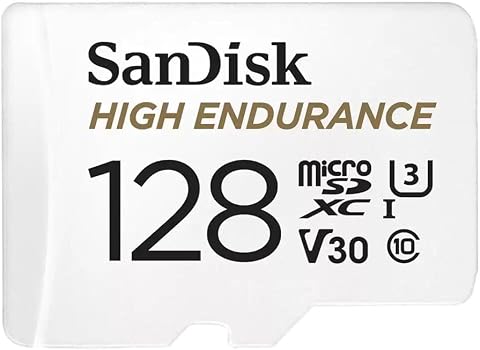
Dash cams rely on loop recording to overwrite old footage when the memory card fills up. Some models manage this process inefficiently, leading to missing segments or corrupted files during critical moments. Check if the camera supports high-endurance microSD cards, which are designed to withstand constant write cycles. Models that come with a pre-installed card, like the UVVIO, offer convenience, but you should verify the brand quality. Cheap included cards often fail within months, so budget for a replacement from a reputable manufacturer like SanDisk or Samsung.
App Connectivity and File Transfer
Extracting video clips after an incident should be quick. Older dash cams use Wi-Fi 4 or 5, which can be slow and drop connections. Newer models with Wi-Fi 6 support, like the AFFVER A4, offer faster transfer speeds and more stable connections. A poor app experience can render a great camera useless if you cannot easily access the footage. Before buying, look for reviews mentioning app stability and download times, as this is a frequent pain point that spec sheets ignore.
Power Supply and Parking Mode
If you want your dash cam to record while your car is parked, you need a hardwiring kit and a camera with robust parking mode. Some cheaper models only offer motion detection parking mode, which drains the car battery quickly if not managed well. Look for features like time-lapse recording or energy-saving modes that reduce power consumption during long parked periods. Not all dash cams support parking mode, and some require specific hardwiring kits sold separately, so check the compatibility list before purchasing.
Frequently Asked Questions
Do I really need a 4K dash cam, or is 1080p enough?
For most drivers, 1080p or 2K resolution is sufficient for identifying license plates in daylight. 4K becomes valuable if you frequently drive at high speeds or in areas with poor lighting, as the higher resolution allows for digital zooming without losing detail. However, 4K files take up significantly more storage space and require faster memory cards. If you have a limited budget, investing in a high-quality 1080p cam with a good sensor is often better than a cheap 4K cam with a poor sensor.
Will a dash cam drain my car battery in parking mode?
It can, if not set up correctly. Most dash cams draw power even when the car is off if a hardwiring kit is installed. To prevent battery drain, look for models with low-power parking modes or time-lapse recording. Additionally, many hardwiring kits have built-in low-voltage protection that cuts power to the dash cam if the car battery drops below a safe threshold. Always check your vehicle’s manual and consider using a dedicated battery pack for older cars.
How long do dash cam memory cards last?
Standard microSD cards are not designed for the constant read-write cycles of dash cams and can fail within a few months. High-endurance microSD cards are specifically engineered for surveillance devices and can last several years. Brands like SanDisk High Endurance or Samsung PRO Endurance are recommended. If your dash cam comes with a generic, no-name card, replace it immediately to avoid losing critical footage due to card corruption.
Are multi-channel dash cams hard to install?
Yes, they are significantly harder to install than single or dual-channel models. A 3-channel or 4-channel system requires routing multiple cables through the headliner and pillars, which can be time-consuming and difficult without experience. Some models offer plug-and-play rear cameras, but interior or side cameras often require custom wiring. If you are not comfortable with detailed car interior work, consider paying a professional installer or sticking to a dual-channel model with a simple rear camera cable.
Can I use my dash cam as a security camera when parked?
Yes, but only if it supports parking mode. Not all dash cams have this feature. Even if they do, the effectiveness depends on the trigger mechanism. Motion detection is common but can be triggered by passing pedestrians or animals, filling up your card with irrelevant clips. Impact detection (G-sensor) is more reliable for recording actual collisions or vandalism. For true security, ensure the camera has a dedicated parking mode setting and a hardwiring kit with battery protection.
Conclusion
Choosing the right dash cam during Black Friday sales depends entirely on your specific driving needs and technical comfort level. For the majority of drivers, the REDTIGER F7NP offers the best balance of superior night vision and ease of use, making it the best overall pick. If you are a rideshare driver or need full cabin visibility, the 70mai T800E is the ideal choice despite its complex installation. Beginners should look at the Vantrue E1 Lite for its compact size and straightforward setup, while tech enthusiasts who value fast file transfers will appreciate the AFFVER A4 with its Wi-Fi 6 connectivity. Ultimately, prioritize sensor quality over resolution claims and ensure your memory card is up to the task for reliable evidence when you need it most.