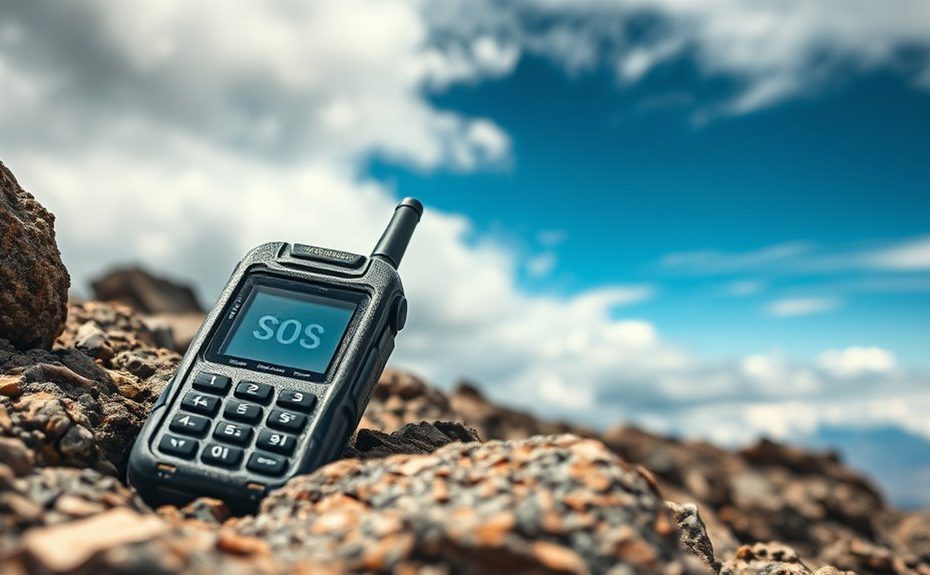
Satellite SOS on phones now supports select countries, including the US, Canada, parts of Europe, Australia, and New Zealand, but availability varies based on your location and device. You need a compatible iPhone 14, 15, or 16, or Apple Watch Ultra 3, and a recent software update. Keep in mind, app limitations like manual satellite pointing and no voice or internet make responses tricky. If you continue, you’ll find more details on managing these challenges effectively.
Key Takeaways
Satellite SOS is supported in the US, Canada, most of Europe, Australia, New Zealand, and select Latin American countries.
Compatible devices include iPhone 14/15/16 series and Apple Watch Ultra 3 with necessary hardware and iOS 16.4+ update.
Phone SOS via Satellite only allows emergency text messages; voice calls and internet are not supported.
Manual satellite pointing and location sharing are required, with limited coverage depending on region and satellite constellation.
App and hardware support varies by country, with some regions having restrictions due to regulatory and infrastructure limitations.
Countries Supporting Satellite SOS Services
Several countries now support Satellite SOS services, enabling you to send emergency texts via satellite in remote areas. Initially, the service launched in the United States and Canada, allowing users to reach 911 emergency services via satellite. By early 2023, support expanded across European nations like France, the UK, Ireland, Germany, and Italy. Australia and New Zealand joined support by mid-2023, targeting remote regions with limited cellular coverage. Mexico recently added support to improve safety in its rural areas. Additionally, Pixel phones with Satellite SOS are available in Latvia, Liechtenstein, Lithuania, Luxembourg, the Netherlands, Norway, Poland, and Portugal. This growing network helps users in isolated locations access emergency assistance even when traditional networks are unavailable. Coverage range has also improved, making satellite emergency services more reliable in diverse terrains.
Compatible Devices and OS Requirements
To use Satellite SOS, your device must be compatible with the supported hardware and software requirements. Not all smartphones or wearables can access this feature. Confirm your device meets these criteria:
Model Compatibility: You need an iPhone 14, 15, or 16 series, or an Apple Watch Ultra 3. These devices have the necessary satellite communication hardware.
Software Version: Update to iOS 16.4 or later to access satellite SOS services in supported regions. Software updates unlock critical features and guarantee connectivity.
Region Restrictions: Pixel 9 series supports Satellite SOS in specific regions like the US, but other models, including Samsung Galaxy S23 and S24, lack satellite support. Confirm device-region compatibility before use.
Device Hardware Capabilities: In addition to software and model requirements, ensure your device supports the satellite communication hardware necessary for this feature. Ensuring your device has the necessary hardware components is vital for reliable emergency communication.
Understanding these requirements helps you prepare and guarantees reliable emergency communication when needed.
Challenges in Language and Emergency Response Coordination
You might find that language barriers can slow down emergency responses, especially when satellite messages need to be understood quickly. Dispatcher training is vital to guarantee they handle satellite SOS texts accurately across different regions, but many centers still lack the necessary preparation. Regional protocol variations also create confusion, making it harder to deliver swift help in diverse locations. Additionally, implementing risk management strategies can help mitigate delays caused by communication challenges and ensure more effective emergency coordination. Incorporating personality insights into training programs can improve dispatcher responsiveness by tailoring communication styles to diverse caller profiles. Moreover, understanding diverse communication approaches can enhance clarity and reduce misunderstandings during critical moments. Recognizing the importance of effective communication methods in emergency situations can further streamline response efforts and improve outcomes. As AI-driven tools become more integrated into emergency response systems, ensuring their trustworthiness and reliability is increasingly vital to safeguarding timely assistance.
Language Barriers in Emergencies
Language barriers pose a significant challenge in emergency response, especially when satellite connectivity extends rescue services into diverse regions with different languages and dialects. Without clear communication, essential information can be lost or misunderstood, delaying help. To address this, consider these key points:
Emergency services may struggle to interpret SOS messages sent in unfamiliar languages, risking miscommunication.
Variations in dialects or terminology can cause confusion, making it harder for responders to assess the situation accurately.
Training dispatch centers to handle multilingual messages improves response times and reduces errors during satellite-based emergencies.
Implementing standardized communication protocols can help mitigate misunderstandings caused by language differences and streamline rescue efforts.
Enhancing language translation capabilities within emergency systems can further improve response accuracy in diverse regions. Additionally, incorporating cultural competence training for responders can help bridge communication gaps and foster better understanding during critical moments. Developing multilingual AI tools can also support responders by providing real-time translation and context-aware assistance, ensuring effective communication even in complex situations.
Dispatcher Training Challenges
Effective dispatcher training is essential for ensuring satellite emergency messages lead to prompt and accurate responses, especially when language barriers are involved. You need to understand the unique challenges of satellite-based SOS alerts, which often arrive as brief, text-only messages. Dispatchers must quickly interpret these signals, identify the caller’s language, and coordinate with local emergency services. Training should focus on multilingual communication skills and familiarity with satellite message protocols. You also need to recognize the limitations of satellite alerts, such as missing details or unclear location data. Proper training reduces response delays, prevents miscommunication, and ensures emergencies are handled efficiently. Without it, language and technical gaps could compromise rescue efforts, risking lives in critical situations. Additionally, understanding practical leadership tips can help managers develop effective training programs and foster a culture of continuous improvement in emergency response teams. Incorporating specialized satellite communication training into the curriculum can further enhance dispatcher preparedness and response accuracy. Moreover, awareness of Glycolic Acid benefits can be useful in training scenarios related to skin-related emergencies, ensuring comprehensive response strategies. Recognizing the importance of digital literacy in emergency communication can also improve dispatcher effectiveness in interpreting satellite messages accurately and efficiently. Equipping dispatchers with a solid understanding of appliance testing protocols can ensure safety measures are effectively implemented when dealing with technical failures or equipment issues during emergencies.
Regional Protocol Variations
Regional variations in emergency protocols pose significant challenges for satellite SOS systems, as each country or even regions within countries have distinct procedures, emergency numbers, and communication standards. You must navigate differences like 1) language barriers that hinder clear communication between responders and callers, risking delays or misunderstandings. 2) Variations in emergency numbers require users to remember multiple codes, increasing confusion during crises. 3) Disparate dispatch infrastructure and training mean that satellite SOS messages may not be interpreted correctly or routed efficiently. These discrepancies can cause delays, miscommunications, or even failure to connect you with help. To ensure effective assistance, satellite systems need to adapt to local protocols, languages, and infrastructure, making universal emergency response coordination a complex, ongoing challenge.
Functional Capabilities and Limitations of Satellite SOS Apps
Satellite SOS apps enable you to send emergency messages when you’re out of traditional cell coverage, but their capabilities are currently limited. You can only send text messages to emergency services; voice calls or internet access aren’t available yet. Some apps require you to manually point your device toward satellites for message transmission, which can be inconvenient. Location sharing isn’t automatic—each emergency requires manual sharing, and there’s no continuous tracking. Battery drain is significant during satellite use due to constant searching. Here’s a quick comparison:
Feature
Supported Devices
Functionality
Limitations
Text Messaging
iPhone 14/15/16, Pixel 9, others
Emergency SMS
No voice calls or internet access
Automatic Satellite Connection
Limited to recent flagship smartphones
Manual satellite pointing required
No automatic connection
Location Sharing
Manual, per incident
Location sharing during emergencies
No continuous tracking
Battery Usage
High during satellite search
Increased power consumption
Reduced device battery life
Coverage & Support
Limited regions
Emergency only
Not available everywhere
A new sentence with satellite communication and the rest of the sentence. Satellite communication can be crucial in remote areas where traditional networks are unavailable, but the current limitations mean it’s not a comprehensive solution. Additionally, ongoing advancements aim to improve device compatibility and reduce power consumption for better usability.
Geographic, Regulatory, and Infrastructure Constraints
Expanding satellite emergency services worldwide faces significant geographic, regulatory, and infrastructure hurdles. First, coverage varies by latitude and satellite constellations, limiting availability in some regions. Second, regulatory approvals depend on complex negotiations between governments, satellite providers, and telecom authorities, slowing deployment. Third, infrastructure gaps exist; even where coverage is available, local emergency response centers may lack the necessary technology or training to handle satellite-based SOS messages. These constraints mean that, despite expanding coverage, many remote or politically sensitive areas remain unsupported. The process involves multiple layers of compliance, testing, and infrastructure development. As a result, your ability to get emergency help via satellite depends heavily on your location, local regulations, and the existing emergency response infrastructure.
Comparing Phone-Based Satellite SOS to Dedicated Devices
When comparing phone-based satellite SOS to dedicated devices, you’ll notice differences in functionality and coverage that can impact your safety. While smartphones offer convenience and integration, they often lack the reliability and advanced features of specialized satellite communicators. Considering cost and ease of use helps determine which option best fits your needs in remote or emergency situations. A reliable backup power source is essential because battery life can be a limiting factor during prolonged emergencies. Choosing reliable backup power ensures your devices remain operational during critical moments, highlighting the importance of understanding their capabilities and limitations. Additionally, understanding satellite coverage areas can help you better prepare for potential communication gaps when relying on these devices. Being aware of satellite network limitations can prevent unexpected communication failures when it matters most.
Functionality and Features
While phone-based Satellite SOS features offer a convenient way to send emergency messages during outdoor or remote situations, their capabilities are generally limited compared to dedicated satellite communication devices. You can mainly send text messages to emergency services, but voice calls and internet access aren’t available yet. Additionally, the process often requires manual pointing of your device toward satellites, and location sharing isn’t automatic—it must be manually triggered each time. Battery drain can be significant during satellite use, reducing your device’s overall lifespan in critical moments.
Limited communication options restrict you to emergency texts only.
Manual satellite pointing adds complexity during emergencies.
Battery life decreases faster, risking device failure when needed most.
Reliability and Coverage
Are phone-based Satellite SOS features as reliable as dedicated satellite communication devices? Not quite. Dedicated devices like Garmin inReach are designed specifically for satellite communication, offering more consistent message delivery, automatic tracking, and broad coverage. They use specialized hardware optimized for reliable connectivity, even in remote areas. Phone-based SOS relies on the limited satellite hardware integrated into smartphones, which isn’t always as dependable. Signal strength, satellite positioning, and user positioning can impact success rates. Plus, phones often require manual pointing toward satellites, increasing the chance of missed messages. Battery drain is also a concern, especially during prolonged satellite use. Overall, while phone SOS features are improving, dedicated satellite devices still deliver superior reliability and coverage for emergency communications in remote or challenging environments.
Cost and Convenience
Compared to dedicated satellite communication devices, phone-based Satellite SOS features tend to be more cost-effective but less convenient. You save money since you don’t need to buy extra hardware or subscribe to separate plans. However, using your phone for satellite SOS can be less reliable and more cumbersome.
You rely on your existing device, which may have limited battery life during extended emergencies.
Manual satellite pointing and the need for updated OS or hardware can slow response times.
The limited functionality means you can only send emergency texts, with no voice calls or automatic tracking.
While your smartphone offers convenience and integrated features, dedicated devices provide more robust, reliable, and versatile satellite communication at a higher cost.
Frequently Asked Questions
How Secure Are Satellite Emergency Messages Against Interception or Hacking?
Satellite emergency messages are generally secure because they use encryption to protect your data during transmission. When you send an SOS, your message gets encrypted before leaving your device, making it difficult for hackers to intercept or decode. However, no system is completely foolproof. You should still remain cautious, especially in high-risk situations, and keep your device’s software current to guarantee you benefit from the latest security enhancements.
Will Satellite SOS Work in Extreme Weather Conditions or During Natural Disasters?
Satellite SOS can work during extreme weather and natural disasters, but performance might be affected. Heavy storms, heavy rain, or thick cloud cover can disrupt satellite signals, making it harder to send emergency messages. You should remember that manual satellite alignment may be necessary. While it’s designed to function in challenging conditions, keep in mind that environmental factors can still impact its reliability, so always have a backup plan.
Can Users Upgrade or Switch Satellite Services Without Changing Phones?
You can’t upgrade or switch satellite services without changing phones if your device doesn’t support the new service. Most satellite SOS features are built into specific devices like iPhone 14 and later or Pixel 9 series, which have the necessary hardware. To access different satellite networks or providers, you’ll need to switch to a compatible device that supports those services, as software updates alone won’t enable new satellite connectivity options on incompatible phones.
Are There Plans to Enable Voice Calls via Satellite in the Future?
Yes, there are plans to enable voice calls via satellite in the future. Companies are actively working on expanding satellite technology capabilities, including voice communication. However, it may take time due to technical challenges, regulatory approvals, and infrastructure development. For now, your best option is emergency texting, but expect that voice calls could become available as satellite networks and device hardware continue to improve.
How Does Satellite Coverage Vary Between Urban and Remote Areas?
Satellite coverage is much better in remote areas than in urban ones. In cities, tall buildings and dense infrastructure block signals, making it harder to connect. In contrast, remote areas have fewer obstructions, allowing satellites to provide clearer coverage. You’ll find that in isolated regions, your device can often connect more reliably to satellite networks, ensuring you get emergency help when traditional networks can’t reach you.
Conclusion
As you navigate remote terrains, it’s no coincidence that your satellite SOS app quietly becomes your lifeline, bridging gaps where traditional networks fade. While support expands across countries, limitations in language and technology remind you to stay prepared. Just like the stars guiding travelers at night, these tools can guide you to safety—if you understand their boundaries. Trust your device, but remember, sometimes, the most crucial support comes from staying alert and adaptable.