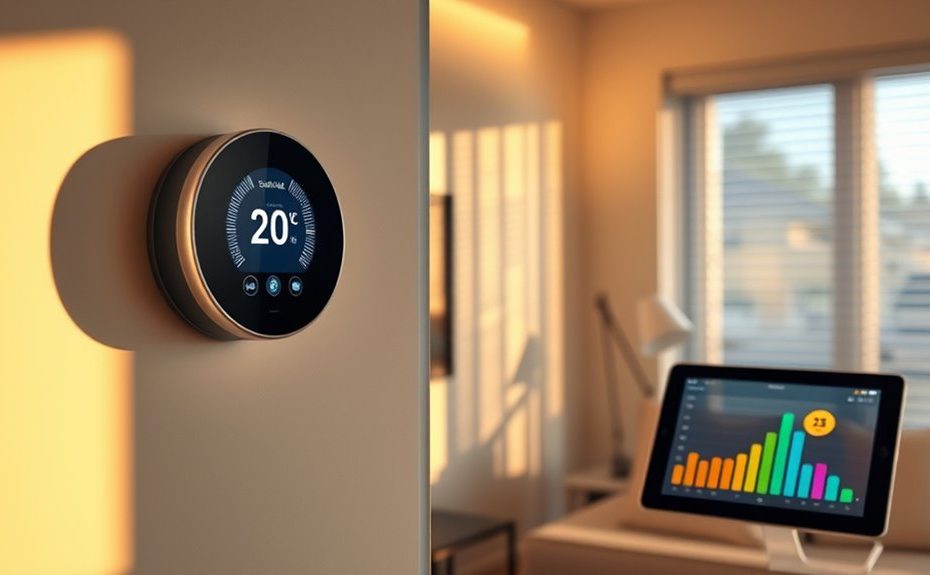
To save energy with smart home schedules, automate devices, lighting, and appliances to run only when needed. Program thermostats for ideal heating and cooling, and schedule water heaters and appliances during off-peak or solar peak times. Using energy-efficient bulbs and smart controls can further cut costs. Combining these strategies with solar integration helps maximize renewable energy use and reduce reliance on grid power. Keep exploring to discover more ways to enhance your home’s energy solutions.
Key Takeaways
Automate devices and lighting to operate only when needed, reducing unnecessary energy consumption.
Schedule high-energy appliances during peak solar production to maximize renewable energy use.
Use smart thermostats and sensors to adjust heating and cooling based on occupancy and routines.
Operate water heaters and appliances during off-peak hours or when solar energy is abundant.
Integrate energy-efficient lighting and solar systems with scheduling for comprehensive home energy savings.
Have you ever wondered how to cut your energy bills while making your home more efficient? One of the simplest ways is by using smart home energy schedules. These schedules allow you to automate your devices, lights, and appliances so they operate only when needed. For example, you can program your lighting system to turn off during daylight hours or when you’re away, helping you avoid unnecessary energy waste. Incorporating energy-efficient bulbs, like LED or smart lighting, enhances this savings by ensuring that even when lights are on, they consume less power. Plus, with smart controls, you can dim or adjust lighting based on natural light levels, further reducing electricity use.
Another significant step is integrating solar panels into your home energy plan. Solar panel integration works seamlessly with smart scheduling, enabling you to maximize your solar energy production. You can set your system to run high-energy appliances during the day when your solar panels are generating the most power. This way, you rely less on grid electricity, which often costs more and is less sustainable. By combining solar energy with smart schedules, you effectively store excess power in batteries or direct it to specific appliances, enhancing your energy consumption and lowering your bills.
Smart home energy schedules also help manage heating and cooling systems. You can program your thermostat to lower or raise temperatures based on your routine. For instance, set the thermostat to reduce heating or cooling when you’re at work or asleep, then have it kick back on before you return home or wake up. This prevents energy from being wasted when it’s not needed. When paired with smart sensors, your system can detect occupancy and adjust automatically, ensuring comfort without excess energy use.
Additionally, scheduling can extend to your water heating and appliance use. You might set your water heater to operate during off-peak hours or when solar energy is abundant. Similarly, dishwashers, laundry machines, and other devices can be scheduled to run during ideal times, preventing unnecessary operation during high-cost peak hours. This coordinated approach makes your entire home more energy-efficient.
Ultimately, smart home energy savings with schedules offer a practical, cost-effective way to reduce your bills. By automating lighting with energy-efficient bulbs, leveraging solar panel integration, and managing your heating, cooling, and appliances intelligently, you’re making your home more sustainable and budget-friendly. The key is planning your routines and harnessing technology—so your home works smarter, not harder, and you enjoy the benefits of lower energy costs every month. Choosing the right inverter generator can be part of a comprehensive energy strategy to ensure you have reliable power when needed.
Frequently Asked Questions
Can Smart Schedules Adapt to Unpredictable Weather Changes?
Yes, smart schedules can adapt to unpredictable weather changes. They use weather prediction data to adjust your routines, providing schedule flexibility when needed. For example, if a sudden cold front arrives, your smart home can automatically modify heating settings to save energy without manual input. This way, you stay comfortable and efficient, even when weather conditions shift unexpectedly, thanks to the system’s ability to respond dynamically.
How Secure Are Smart Home Energy Scheduling Systems?
Smart home energy scheduling systems are generally secure, but you should be aware of privacy concerns and hacking risks. Manufacturers implement encryption and security protocols to protect your data, but vulnerabilities can still exist. To stay safe, regularly update your device’s firmware, use strong passwords, and enable two-factor authentication where possible. Staying vigilant helps prevent unauthorized access and guarantees your energy management remains private and secure.
Do Energy Savings Vary by Different Smart Home Brands?
Yes, your energy savings can vary by different smart home brands because of factors like brand compatibility and user customization options. Some brands offer more advanced scheduling features, allowing you to tailor energy use precisely to your lifestyle, which boosts savings. Others might have limited compatibility with certain devices or fewer customization choices. By choosing a brand that supports your needs and offers flexible scheduling, you maximize your energy efficiency and savings.
What Is the Typical Setup Time for a Smart Scheduling System?
The setup duration for a smart scheduling system usually takes about 30 minutes to a couple of hours, depending on your home’s complexity. During the installation process, you’ll connect devices and customize schedules. You might need to follow specific instructions for each device or app. Overall, it’s a straightforward process, and most systems are designed for easy setup so you can start saving energy quickly.
Are There Any Hidden Costs Associated With Smart Scheduling Features?
Yes, there can be hidden fees with smart scheduling features, like extra charges for premium services or ongoing subscription costs. You should also consider data privacy concerns, as some systems collect and share usage data, which might come with additional privacy options or fees. Always read the fine print to avoid unexpected costs, and verify you’re comfortable with how your data is handled before committing to a smart scheduling system.
Conclusion
By setting smart schedules, you could save enough energy to power your home for a lifetime—imagine never worrying about skyrocketing bills again! Every adjustment you make could slash your energy use so drastically, you’ll feel like you’ve discovered a secret weapon against waste. Don’t wait to harness this power—your home’s future of effortless savings and comfort is just a schedule away. Take control now and watch your energy bills become a thing of the past!