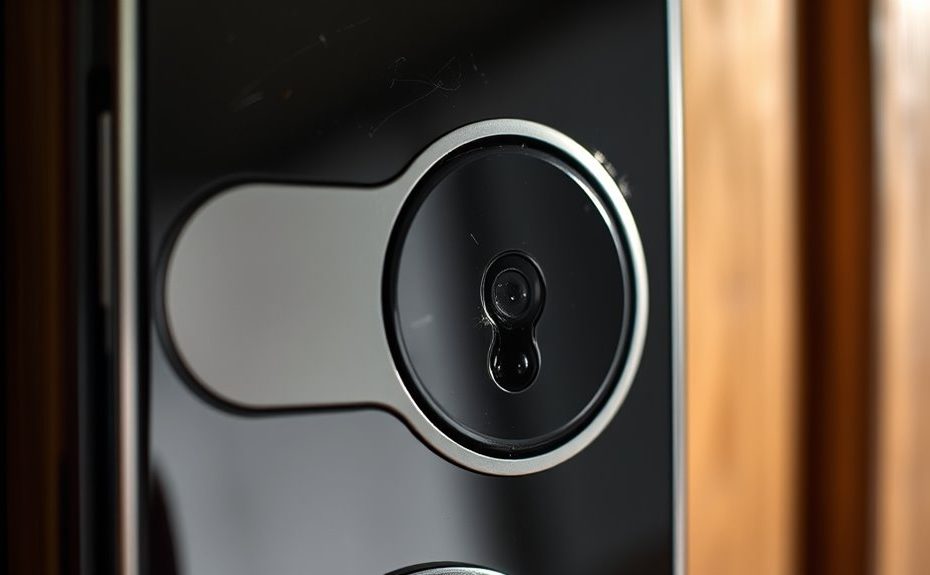
If your tap-to-unlock fails on your smart lock, check for mechanical issues like misaligned strike plates or worn internal parts. Confirm batteries are fresh and contacts are clean, especially for NFC’s close-range needs. For UWB, verify that there are minimal obstacles and interference in the environment. Firmware updates and proper device placement often solve connection glitches. Keep in mind, many factors can affect reliability—continue exploring how to troubleshoot both NFC and UWB for peak performance.
Key Takeaways
Ensure NFC devices are properly aligned and within 4 inches for reliable tap-to-unlock; UWB requires compatible hardware and unobstructed range.
Check for environmental interference like metal objects or dense walls that weaken NFC and UWB signals, impairing connectivity.
Keep firmware and software updated to fix bugs affecting NFC recognition or UWB communication; revert to previous versions if recent updates cause issues.
Inspect and clean sensor surfaces, contacts, and battery contacts to improve detection sensitivity and prevent signal failures.
Verify device compatibility and proper placement to maintain consistent wireless communication and avoid recognition or unlocking failures.
Common Mechanical Causes of Tap-to-Unlock Failures
Many mechanical issues can cause tap-to-unlock failures in your smart lock. If the strike plate isn’t properly installed, the bolt may not fully extend, preventing the lock from engaging or disengaging smoothly. A shallow strike plate (less than one inch) can cause jamming or clicking noises when trying to unfasten. Loose or damaged internal components, like broken clutch mechanisms or disconnected cables, can stop the latch from retracting, even if the lock receives the command. Misaligned strike plates or obstructions in the door handle mechanism can block the lock’s movement or prevent manual unfastening. Additionally, internal components such as springs and gears may wear out over time, leading to mechanical failure. Also, forced attempts to fix a mechanical key failure can damage internal parts, further impairing the lock’s operation. Regular maintenance and inspection of internal components can help prevent such mechanical failures and ensure reliable operation. Addressing these issues often requires realignment, cleaning, or professional repairs.
Power Supply and Battery Troubleshooting Strategies
Power supply and battery issues are among the most common reasons your smart lock might fail to operate correctly. To troubleshoot, first check the batteries; low or dead batteries can prevent proper motor function and connectivity. Use high-quality, preferably lithium, batteries to extend lifespan and reduce failures. Many locks have indicators or app alerts for low power—replace batteries promptly. If the lock still doesn’t respond, try using backup power ports, like a 9V battery terminal, to release the device in an emergency. Corroded or dirty contacts can disrupt power flow, so clean the battery terminals with a cloth or brush. Regularly inspecting and replacing batteries, along with ensuring clean contacts, prevents power-related failures and keeps your smart lock functioning smoothly. Additionally, understanding electrical components in your lock system can help identify underlying issues affecting power supply. Monitoring power efficiency and maintaining proper connections are crucial for optimal performance. Staying aware of automation trends in smart locks can also inform better maintenance practices to prevent issues before they arise.
Connectivity Issues Specific to NFC and UWB Systems
You might encounter connectivity issues with NFC and UWB systems due to signal range limitations or obstacles blocking communication. Interference from other electronic devices or physical obstructions can weaken signals, causing enable failures. Ensuring device compatibility and minimizing interference helps improve connection reliability and lock performance. Additionally, maintaining proper device maintenance can prevent potential malfunctions and ensure consistent operation. Regularly updating firmware and software can also help address software bugs that might affect connectivity. Being aware of security vulnerability concerns related to wireless communication can help you implement additional protective measures. Recognizing cybersecurity vulnerabilities associated with wireless systems underscores the importance of security best practices to safeguard your devices. Proper signal testing can identify weak points in your system and prevent future connectivity problems.
Signal Range Limitations
Signal range limitations are a common challenge affecting the reliability of NFC and UWB smart lock systems. NFC typically works within a very short distance, usually less than 4 inches, so any slight deviation or misalignment can prevent successful opening. If your device isn’t close enough or positioned correctly, the lock won’t respond. UWB offers a longer effective range, but environmental factors like walls, metal objects, or thick doors can still weaken signals. Distance sensitivity means if you’re too far or if obstacles interfere, commands might not reach the lock. Inconsistent performance often results from these range constraints. To improve connectivity, guarantee your device stays within recommended proximity and minimizes interference sources. Regularly testing and adjusting your device placement can help maintain reliable operation. Additionally, understanding connections and communication systems can help diagnose and troubleshoot signal issues more effectively. Being aware of signal interference sources such as electronic devices or structural elements can further enhance performance. Moreover, consulting wireless signal stability best practices can aid in optimizing overall system reliability. Ensuring proper signal calibration is also crucial for maintaining consistent lock operation and avoiding false negatives. Implementing adaptive signal algorithms can also help devices adjust to environmental changes and improve responsiveness.
Interference and Obstructions
Interference and obstructions can considerably disrupt the connectivity of NFC and UWB smart lock systems, leading to failed access attempts or unreliable operation. With NFC, metal objects, thick walls, or electronic devices like routers and microwaves can block signals or weaken communication. UWB, while more resistant, still faces issues from dense materials or multiple signals operating simultaneously in the environment. Obstructions such as cluttered doorways, furniture, or even dirt on sensors can prevent proper detection of your device or key. To minimize problems, keep the area around the lock clear, avoid placing metal near the sensor, and ensure no electronic devices are causing interference. Proper positioning and maintaining a clear line of sight are key to reliable NFC and UWB performance. Additionally, environmental factors like radio frequency interference can further impair the systems’ effectiveness, highlighting the importance of understanding connectivity issues specific to these technologies. Regular maintenance practices such as cleaning sensors and checking for obstructions can also help sustain optimal operation and prevent unexpected failures. Implementing shielding techniques can further reduce the impact of external interference sources, and understanding how signal disruption affects these systems is crucial for troubleshooting.
Device Compatibility Challenges
Device compatibility is a common hurdle when using NFC and UWB smart lock systems, as these technologies rely on specific hardware features and standards. If your phone or key fob isn’t compatible, opening may fail even if the system is functioning properly. NFC requires close proximity and precise alignment, which some devices lack. UWB offers better spatial awareness but demands compatible hardware and updated firmware. Compatibility issues often stem from outdated software, unsupported device models, or hardware limitations. To troubleshoot, verify device specifications and ensure firmware is current. If your device isn’t compatible, upgrading hardware or switching to supported models can resolve persistent issues. Ensuring your device meets the necessary technology standards can significantly improve connection reliability. Additionally, checking for available software updates can address compatibility glitches and enhance overall performance. Regularly reviewing device compatibility lists published by manufacturers can help prevent these issues proactively.
Sensor Recognition Problems and How to Address Them
Sensor recognition problems often occur when the smart lock’s proximity or fingerprint sensors fail to detect your credentials accurately. If your phone or key fob isn’t positioned correctly, or if the sensor surface is dirty or smudged, the lock may not recognize you. Shallow fingerprints or worn sensor areas can also cause failures. Faulty or weak sensor batteries reduce sensitivity, making detection more difficult. For fingerprint sensors, ensure your finger is clean and placed firmly; for NFC or UWB, hold your device steadily close and aligned. Cleaning sensor surfaces with a soft, dry cloth prevents dirt buildup that impairs detection. If recognition issues persist, recalibrate or reset the sensors through the app or device settings, and consider replacing weak batteries to restore proper responsiveness.
Firmware and Software Glitches Affecting Unlock Performance
Firmware bugs can cause your smart lock to become unresponsive or fail to retract the latch, even when it shows a successful open. Software updates sometimes introduce new issues or malfunctions that disrupt normal operation. Rebooting the device or installing the latest patches often resolves these glitches and restores proper performance.
Firmware Bugs Impair Unlocking
Firmware bugs and software glitches can substantially impair the unlocking performance of your smart lock, even when the hardware appears to function correctly. These issues may cause the lock to become unresponsive or fail to execute unlock commands properly. You might notice the lock’s status updates correctly in the app, but the physical mechanism doesn’t respond, or vice versa. Firmware errors often result from incomplete updates or corrupted files, leading to erratic behavior or system freezes. Sometimes, the lock may freeze in a locked or unlocked state, preventing manual or remote access. To resolve this, perform a reboot or factory reset, and check for vendor-released firmware patches. Regular updates help patch known bugs and improve stability, reducing the risk of unlocking failures caused by software glitches.
Software Updates Cause Malfunctions
Software updates are designed to improve your smart lock’s performance, but sometimes they introduce new issues that cause malfunctions. Firmware glitches or software bugs can make your lock unresponsive or prevent it from retracting the latch, even when it registers an unlock command. Auto-locking features may conflict with manual unlocking, creating delays or failures. Occasionally, updates contain undocumented changes that cause widespread problems, requiring patches or support from the manufacturer. Resetting or rebooting the device often clears temporary software errors, restoring normal operation. However, if problems persist after updates, you might need to roll back to a previous firmware version or wait for a fix. Keeping your lock’s software current and applying recommended patches helps minimize these issues.
Environmental Factors Interfering With NFC and UWB Accuracy
Environmental factors can substantially impact the accuracy and reliability of NFC and UWB-based smart locks. NFC relies on close proximity and precise alignment; interference from metal surfaces, electronic devices, or thick walls can weaken signals or cause failures. UWB’s advanced spatial awareness is sensitive to environmental noise, such as reflective surfaces, radio frequency interference, or dense materials like concrete and metal, which can distort distance measurements. Weather conditions like rain, snow, or humidity also affect signal transmission, especially for outdoor installations. Additionally, nearby appliances, fluorescent lights, or other wireless devices can create interference, reducing lock responsiveness. To guarantee consistent performance, you should optimize the lock’s placement, avoid metal obstructions, and minimize electronic noise sources around your smart lock.
Practical Steps for Restoring Reliable Tap-to-Unlock Functionality
To restore reliable tap-to-unlock functionality, start by guaranteeing the lock’s sensor area is clean and free of dirt, dust, or fingerprints that can interfere with detection. Gently wipe the sensor with a soft cloth to improve contact and sensitivity. Next, check the batteries; replace them with high-quality lithium options before they die. Inspect the strike plate and door alignment to prevent mechanical obstructions. Recalibrate the lock through the app or keypad to reset sensor and communication errors. Ensure your device is within range and free from signal interference. Finally, update the lock firmware to the latest version or roll back if recent updates caused issues. Regular maintenance and timely updates keep your tap-to-unlock system reliable.
Keep sensors clean and dust-free
Use high-quality batteries
Check door alignment and strike plates
Recalibrate or reset the lock
Keep firmware updated
Frequently Asked Questions
Can Physical Damage to the Lock Affect Tap-To-Unlock Functionality?
Yes, physical damage can definitely affect tap-to-unlock functionality. When the lock or its sensors get damaged, the device may not detect your NFC or UWB signals properly. Cracks, dents, or broken internal parts can disrupt sensor alignment or processing, causing unlocking failures. To fix this, you’ll need to inspect the lock for visible damage and consider professional repair or replacement if necessary. Proper maintenance helps guarantee reliable tap-to-unlock performance.
How Do I Update Firmware to Fix Tap-To-Unlock Issues?
To update your firmware and fix tap-to-unlock issues, start by opening the lock’s app or control panel. Check for available firmware updates and follow the prompts to download and install them. Make sure your device is connected to Wi-Fi or Bluetooth. If updates don’t resolve the problem, try resetting the lock or contacting support for assistance. Keeping firmware current helps improve compatibility and resolve sensor or communication bugs.
Is Environmental Interference More Problematic for NFC or UWB?
Environmental interference affects NFC more than UWB. NFC relies on precise proximity and alignment, so nearby metal objects, thick walls, or electronic devices can disrupt signals, causing unlocking failures. UWB, however, uses advanced spatial awareness and directional signals, making it less susceptible to interference from environmental factors. You should make certain a clear line of sight and minimize metal or electronic obstacles around NFC devices to improve reliability.
What Safety Precautions Exist When Resetting or Recalibrating the Lock?
When resetting or recalibrating your smart lock, you should always disconnect power sources first to prevent accidental unlocking or damage. Follow manufacturer instructions carefully, using proper tools and avoiding force. Keep the lock and surrounding area clean to prevent sensor faults. Make certain you have backup power available, like a 9V battery, in case of power loss during the process. Finally, consider professional assistance if you’re unsure or encounter persistent issues.
How Long Should Batteries Last Before Tap-To-Unlock Performance Declines?
Batteries typically last between 6 months to a year before tap-to-unlock performance starts to falter, like a fading lighthouse beam. To keep things shining bright, you should replace them proactively, especially if you notice slower response times or weak sensor signals. Using high-quality lithium batteries can extend this lifespan. Regular checks and timely replacements make certain your smart lock stays responsive, so you won’t be left in the dark when you need access most.
Conclusion
To keep your tap-to-unlock feature reliable, check your mechanical parts, confirm your power supply is steady, and verify your connection signals. Address sensor recognition issues promptly, update firmware regularly, and consider environmental impacts. By maintaining mechanical, electrical, software, and environmental factors, you guarantee your NFC and UWB systems work seamlessly. Keep troubleshooting, keep adjusting, and keep your smart lock functioning, because consistent performance depends on your proactive care and attention.