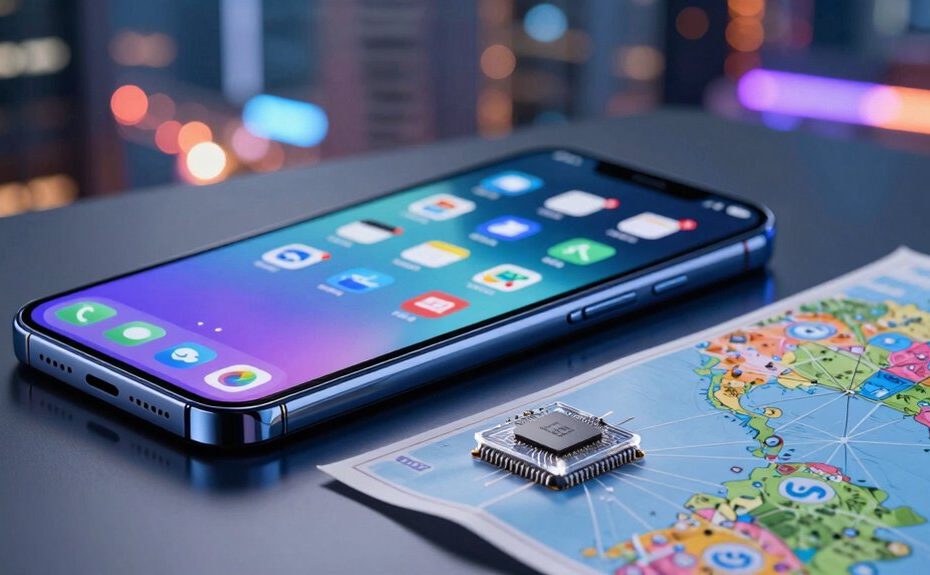
An eSIM is a built-in, digital SIM that lets you activate and switch mobile carriers quickly and easily, without needing a physical card. It offers more security by avoiding the risks of losing or theft, and you can update your profiles remotely. It’s perfect for travelers, remote workers, or anyone wanting more flexibility. As eSIMs become more common, they’re making devices sleeker and more eco-friendly—continue to explore how this technology can transform your connectivity experience.
Key Takeaways
An eSIM is an embedded SIM card built into devices, enabling digital activation without a physical SIM.
It allows quick switching between carriers and mobile plans via software updates.
eSIM enhances security by eliminating physical SIM theft and enabling remote profile management.
It promotes eco-friendliness by reducing plastic waste and device size.
eSIM technology supports more flexible, seamless connectivity for travelers, remote workers, and smart devices.
Have you ever wondered how your smartphone can seamlessly switch between carriers or activate new plans without swapping out a physical SIM card? That’s the magic of an eSIM, or embedded SIM. Unlike traditional SIM cards, which require you to physically insert or replace a tiny chip to change networks, an eSIM is built directly into your device’s hardware. It’s a small chip embedded into the phone’s motherboard, allowing you to activate or switch between carriers digitally. This technology isn’t just about convenience; it’s transforming how we think about digital security and network flexibility.
eSIMs enable seamless, digital carrier switching and enhance security without physical SIM card changes.
With an eSIM, you gain much greater control over your mobile connectivity. You no longer need to visit a store or wait for a physical SIM to arrive in the mail. Instead, you can download a new carrier profile directly onto your device. This process is quick, often taking just a few minutes, and it allows you to switch plans or carriers without any physical intervention. Whether you’re traveling internationally or looking for a better deal, eSIMs make changing networks effortless. This level of network flexibility is especially useful for frequent travelers, remote workers, or anyone who values convenience and choice.
From a digital security perspective, eSIMs add an extra layer of protection. Because there’s no physical card to lose or steal, your phone’s connection is less vulnerable to theft or tampering. Plus, the process of activating or switching carriers is secured through encrypted digital profiles, reducing the risk of unauthorized access. When you download a new profile, it’s done securely, often through your carrier’s app or a trusted QR code, ensuring that only authorized profiles are installed. This enhances the overall security of your device’s network connection, helping protect your personal data and preventing malicious activities. Additionally, the digital profiles used in eSIM technology can be updated remotely, further reducing the need for physical access and increasing security. Moreover, the protocols used to facilitate these updates ensure seamless and secure communication between your device and network providers. This ongoing process of updates also supports digital security by keeping the system protected against emerging threats.
The shift to eSIM technology also supports a more sustainable future by reducing the need for physical manufacturing and waste associated with traditional SIM cards. It promotes a more streamlined, eco-friendly approach to mobile connectivity, aligning with global efforts to reduce plastic waste. Additionally, compatibility with appliances and smart devices is growing, making eSIMs increasingly relevant in the realm of Appliance Maintenance Plans and smart home integration. Moreover, eSIMs enable manufacturers to design sleeker, more compact devices, as they eliminate the need for a SIM card slot. That’s why eSIMs are increasingly found in newer smartphones, tablets, and wearable devices, offering users a more flexible, secure, and eco-conscious way to stay connected.
In essence, eSIM technology is reshaping the landscape of mobile connectivity by making it more flexible, secure, and environmentally friendly. It’s a step toward a future where switching carriers, managing plans, and safeguarding your digital life are simpler, faster, and more secure—all without the fuss of physical SIM cards. Vetted – My Dream Shape
Frequently Asked Questions
Can I Switch eSIM Profiles Without Contacting My Carrier?
Yes, you can switch eSIM profiles without contacting your carrier, but it depends on carrier restrictions and your device’s capabilities. You can manage profiles directly through your device’s settings, allowing you to add, remove, or switch profiles easily. However, some carriers may impose restrictions or require activation steps, so check your carrier’s profile management options and policies before making changes.
Are eSIMs Compatible With All Devices?
Sure, eSIMs are a modern marvel, but don’t expect them to work on just any device. Device compatibility is a real hurdle—many older gadgets still prefer physical SIMs. Plus, network restrictions might block eSIM functionality altogether. So, if you’re eyeing that shiny new eSIM-capable phone, double-check if your device is supported and whether your carrier allows this digital magic. Otherwise, you might be stuck in the analog past.
How Secure Is an eSIM Compared to Traditional SIMS?
An eSIM is generally more secure than traditional SIMs because it uses remote activation, reducing physical access risks. Plus, data encryption safeguards your information during transmission and storage. Since you don’t handle a physical card, it’s harder for hackers to tamper with. Overall, these features make eSIMs a safer choice, providing enhanced protection for your personal data and connections.
Can I Have Multiple eSIM Profiles on One Device?
Yes, you can have multiple eSIM profiles on one device. About 85% of newer smartphones support eSIM activation for multiple profiles, making it convenient for traveling or switching carriers. You manage these profiles through simple profile management settings, allowing you to switch between plans easily. This flexibility means you don’t need multiple SIM cards, streamlining your device’s connectivity options and enhancing your overall experience.
What Happens if I Lose My Device With an eSIM?
If you lose your device with an eSIM, focus on device recovery options and data protection. Contact your carrier promptly to suspend or deactivate your eSIM profile, preventing unauthorized use. Use remote tracking or wipe features to secure your data. Acting quickly helps protect your personal information, and your carrier can assist in transferring your eSIM profile to a new device once you recover or replace it, ensuring minimal disruption.
Conclusion
Imagine you’re traveling abroad and want to avoid high roaming charges. With an eSIM, you can easily switch to a local carrier without swapping physical SIM cards. For instance, a traveler used an eSIM to instantly connect to local networks in multiple countries, saving time and money. As eSIM technology advances, you’ll find it’s not just convenient but a game-changer for staying connected seamlessly, wherever life takes you.