For most creators looking for a shotgun microphone for video, my best overall pick is the RØDE VideoMic NTG, thanks to its flexible camera-mount design and usefulness across different recording setups. The RØDE VideoMicro II is a standout for a small, simple camera rig, while the Sennheiser MKE 400 suits shooters who want a compact mic with onboard controls. The main tradeoffs are size, connection type, power needs, and how well the mic fits your camera or phone—not just the microphone’s pickup pattern. Some models are built for quick on-camera use; others need an XLR setup or suit a narrower workflow. Read on for the full breakdown of all 15 options and how I’d match each one to a video setup.
RØDE VideoMic NTG Camera-Mount
COMICA CVM-V30 LITE Super-Card
Movo VXR10-PRO Professional Vi
RØDE VideoMicro II Ultra-Compa
Tikysky DSLR Shotgun Microphon
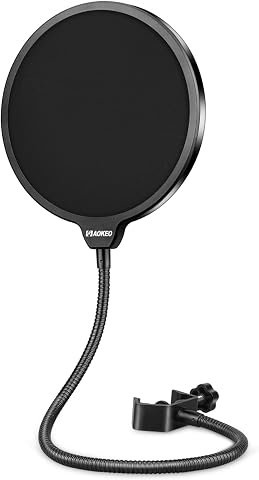
Complete the kit
Key Takeaways
The RØDE VideoMic NTG earns the strongest all-around position because it bridges compact camera use and broader recording needs better than the more basic on-camera models.The VideoMicro II and VideoMic GO II prioritize lightweight, uncomplicated camera rigs, while the MKE 400 offers a more control-focused alternative in a compact format.Connection type is a major dividing line: the BOYA BY-BM6060 is an XLR option, while most other picks are designed for direct camera or device mounting.Several products appear twice under the same or near-identical name: the Comica VM20, COMICA CVM-V30 LITE, and Movo VXR10. Those duplicate listings do not represent distinct microphone choices.A shock mount and wind protection can matter as much as the mic itself on location; the Movo VXR10-PRO listing specifically highlights a Rycote Lyre shock mount, while other kits vary.
Our Top Shotgun Microphone For Video Picks
COMICA CVM-V30 LITE Super-Cardioid Shotgun MicrophoneBest Simple Camera-and-Phone PickMicrophone type: Shotgun condenserPolar pattern: Super-cardioidConnector: 3.5 mm jackVIEW ON AMAZONSee Our Full BreakdownMovo VXR10-PRO Professional Video Microphone with Rycote Lyre Shock Mount – Shotgun Mic for DSLR Cameras, iPhone & Android SmartphonesBest for Handling-Noise ControlForm factor: ShotgunPolar pattern: Unidirectional (supercardioid)Connectors: 3.5 mm TRS and TRRSVIEW ON AMAZONSee Our Full BreakdownRØDE VideoMicro II Ultra-Compact On-Camera Shotgun MicrophoneBest Compact PickMicrophone form factor: ShotgunPolar pattern: UnidirectionalConnector: 3.5 mm jackVIEW ON AMAZONSee Our Full BreakdownTikysky DSLR Shotgun Microphone with WindscreenBest for Close Camera InterviewsMicrophone type: Shotgun condenserConnector: 3.5 mm (1/8 in) TRSCompatibility: Cameras with a 3.5 mm TRS microphone jackVIEW ON AMAZONSee Our Full BreakdownComica VM20 Super-Cardioid Shotgun MicrophoneBest Feature-Rich PickMicrophone type: Shotgun condenserPolar pattern: Super-cardioidConnectors: 3.5 mm TRS and TRRS; USB-C chargingVIEW ON AMAZONSee Our Full BreakdownRØDE VideoMic Pro+ On-Camera Shotgun MicrophoneBest for Flexible Power and Camera-Rig ControlsMicrophone type: Shotgun condenserPolar pattern: UnidirectionalConnector: 3.5 mm jackVIEW ON AMAZONSee Our Full BreakdownRØDE VideoMic GO II Ultra-Compact On-Camera Shotgun MicrophoneBest Compact, Battery-Free PickMicrophone type: ShotgunPolar pattern: SupercardioidOutputs: 3.5 mm TRS and USB-CVIEW ON AMAZONSee Our Full BreakdownBOYA BY-BM6060 XLR Shotgun MicrophoneBest XLR Option for Field RecordingModel: BY-BM6060Microphone type: Condenser shotgunPolar pattern: Super-cardioidVIEW ON AMAZONSee Our Full BreakdownSennheiser MKE 400 On-Camera Shotgun MicrophoneBest for Camera-and-Phone CompatibilityMicrophone type: ShotgunPolar pattern: Unidirectional (supercardioid)Connectivity: 3.5 mm TRS and TRRSVIEW ON AMAZONSee Our Full BreakdownRØDE VideoMic NTG Camera-Mount Shotgun MicrophoneBest Overall for Recording FlexibilityMicrophone type: ShotgunPolar pattern: SupercardioidConnectivity: Auto-sensing 3.5 mm output and USBVIEW ON AMAZONSee Our Full BreakdownSMALLRIG Shotgun Microphone for Cameras and SmartphonesBest Compact Stereo OptionConnectivity: 3.5 mm TRRSPickup pattern: UnidirectionalChannels: 2VIEW ON AMAZONSee Our Full BreakdownComica VM20 Super-Cardioid Shotgun MicrophoneBest for On-Mic Audio ControlPickup pattern: Super-cardioidConnectivity: 3.5 mm jack; TRS and TRRS adapter cables includedLow-cut filters: 75 Hz and 150 HzVIEW ON AMAZONSee Our Full BreakdownCOMICA CVM-V30 LITE Super-Cardioid Shotgun Microphone, RedBest for BeginnersMicrophone type: Shotgun condenserPickup pattern: Super-cardioidConnectivity: 3.5 mm TRS/TRRS jackVIEW ON AMAZONSee Our Full BreakdownMovo VXR10 Universal Shotgun MicrophoneBest Travel Accessory KitConnectivity: 3.5 mm auxiliary jackPickup pattern: UnidirectionalChannels: 1VIEW ON AMAZONSee Our Full BreakdownMovo X1-Mini Supercardioid Shotgun MicrophoneBest Cross-Device ConnectivityPickup pattern: SupercardioidConnectivity: 3.5 mm and USB-CChannels: 1VIEW ON AMAZONSee Our Full Breakdown
More Details on Our Top Picks
COMICA CVM-V30 LITE Super-Cardioid Shotgun Microphone
The COMICA CVM-V30 LITE is a straightforward choice for creators who want directional on-camera audio without battery management or many settings. Its super-cardioid pickup favors sound in front of the mic, while the shock mount helps limit noise from camera handling. A cold shoe and 1/4-inch thread give it flexible mounting options for a camera rig or stand. Compared with the more adjustable Comica VM20, the V30 LITE keeps operation simpler but gives up gain controls, low-cut filters, and a rechargeable battery. Its main constraint is connectivity: it needs a compatible 3.5 mm microphone input, so some cameras and newer phones require an adapter or will not work. Choose it for a basic setup, not for extensive audio adjustments.
Best for: Camera and smartphone creators with a compatible 3.5 mm microphone input who want a simple, battery-free directional mic.
Not ideal for: Owners of cameras without an external mic input or phone users who want a setup that works without a 3.5 mm jack or adapter.
Microphone type:Shotgun condenserPolar pattern:Super-cardioidConnector:3.5 mm jackCompatibility:Cameras and smartphones with a 3.5 mm microphone inputPower:Plug-in powerImpedance:2200 ohmSignal-to-noise ratio:78 dBWeight:150 g
“Choose the V30 LITE for uncomplicated, directional audio on compatible cameras or phones, but pick the VM20 if you need more control.”
Movo VXR10-PRO Professional Video Microphone with Rycote Lyre Shock Mount – Shotgun Mic for DSLR Cameras, iPhone & Android Smartphones
The Movo VXR10-PRO suits handheld camera work and run-and-gun video where bumps and grip noise can spoil speech. Its integrated Rycote Lyre shock mount isolates the mic from some camera vibrations, and the supercardioid pattern favors the person or scene ahead. Unlike the simpler COMICA CVM-V30 LITE, this kit includes both TRS and TRRS adapters, windscreens, and a carrying case, making it easier to move between compatible cameras and phones. It draws power from the connected device, so there is no separate battery to manage. The tradeoff is the same basic 3.5 mm limitation: newer phones may need a Lightning or USB-C adapter, and cameras without a mic input are out. It also has no listed onboard gain or filter controls.
Best for: Vloggers and small-camera crews who frequently move while recording and need shock isolation plus adapters for compatible camera and phone inputs.
Not ideal for: Creators using USB-C or Lightning phones without a separate audio adapter, or camera owners whose models lack a 3.5 mm mic input.
Form factor:ShotgunPolar pattern:Unidirectional (supercardioid)Connectors:3.5 mm TRS and TRRSCompatible devices:Camera and smartphonePower:Draws power from connected deviceImpedance:200 ohmSignal-to-noise ratio:76 dBChannels:1
“Pick the VXR10-PRO if handling noise and a ready-to-carry adapter kit matter more than onboard audio controls.”
RØDE VideoMicro II Ultra-Compact On-Camera Shotgun Microphone
At 24 g, the RØDE VideoMicro II is the easiest option here to keep on a small camera without adding much weight or bulk. Its directional pickup and HELIX isolation mount target two common video problems: distant subject sound and camera knocks. With no batteries or complex controls, setup stays simple. Compared with the Movo VXR10-PRO, the VideoMicro II is notably lighter, while the Movo includes a broader accessory kit; compared with the feature-rich Comica VM20, RØDE gives up gain and filter adjustments in favor of a smaller, simpler rig. The 3.5 mm connection still calls for a compatible input or adapter, and its plastic enclosure may feel less robust than metal-bodied alternatives. This is a space-saving mic, not a control center for difficult audio conditions.
Best for: Traveling vloggers and lightweight camera operators who prioritize minimal rig weight and simple plug-and-play recording.
Not ideal for: Creators who need onboard gain or filter controls, a metal enclosure, or direct connection to a device without a compatible 3.5 mm input.
Microphone form factor:ShotgunPolar pattern:UnidirectionalConnector:3.5 mm jackCompatible devices:Camera and smartphonePower:No batteries requiredWeight:24 gSignal-to-noise ratio:78 dBDimensions:3.14 × 0.85 × 0.85 inches
“Choose the VideoMicro II when low weight and a simple camera setup matter more than accessories or audio controls.”
Tikysky DSLR Shotgun Microphone with Windscreen
The Tikysky DSLR Shotgun Microphone is a narrowly focused pick for close interviews and vlogging with a camera that has a 3.5 mm TRS mic input. It runs on an included AAA battery and is recommended for close use within 3 m, a more realistic target for clear speech than trying to capture a distant subject from the camera. Its windscreen and super-cardioid pickup offer a basic setup for camera-mounted recording. In contrast to the battery-free RØDE VideoMicro II and Movo VXR10-PRO, it adds battery upkeep and works with fewer device types. The compatibility limits are substantial: it does not connect directly to phones, computers, USB, or XLR, and some cameras are unsupported. I would choose it only for a known-compatible camera and short recording distance.
Best for: DSLR users with a confirmed 3.5 mm TRS mic input who record close interviews or camera-facing vlogs.
Not ideal for: Mobile creators, computer-based streamers, XLR workflows, or anyone recording noisy scenes or subjects more than a few meters away.
Microphone type:Shotgun condenserConnector:3.5 mm (1/8 in) TRSCompatibility:Cameras with a 3.5 mm TRS microphone jackPickup range:0–5 m; recommended close use within 3 mBattery:1 AAA alkaline battery, includedWeight:3.25 ozDimensions:5.4 × 1.1 × 2.4 inColor:Black
“Buy the Tikysky only if your camera is compatible and your recording subjects stay close; the RØDE VideoMicro II is a more flexible fit for lighter kits.”
Comica VM20 Super-Cardioid Shotgun Microphone
The Comica VM20 is the most adjustable option in this group for creators who need to shape sound at the mic rather than rely only on editing. Ten gain levels and 75 Hz and 150 Hz low-cut filters let you tailor output and reduce some low-frequency rumble, while the OLED display makes battery status easier to track. Its rechargeable battery offers up to 60 hours of standby, and 3.5 mm TRS/TRRS connections support compatible camera and phone setups. Compared with the plug-in-powered COMICA CVM-V30 LITE, it adds useful controls and a display, but also brings charging and cable considerations. A USB-C phone adapter and XLR cable are not included, so it is not a direct fit for every rig. Pick this when adjustment matters more than the lightest, simplest setup.
Best for: Video creators who switch between camera and compatible phone recording and want adjustable gain, low-cut filters, and battery-status visibility.
Not ideal for: Minimalist users who want a battery-free mic, or XLR and USB-C phone workflows that require cables or adapters not included.
Microphone type:Shotgun condenserPolar pattern:Super-cardioidConnectors:3.5 mm TRS and TRRS; USB-C chargingLow-cut filters:75 Hz and 150 HzGain adjustment:10 levelsSensitivity range:-43 dB to -23 dBBattery:3.7 V, 300 mAh rechargeable lithium batteryStandby time:Up to 60 hoursFrequency response:20 Hz–20 kHz
“Choose the VM20 if onboard audio adjustments and battery monitoring justify extra setup; choose the V30 LITE for a simpler battery-free mic.”
RØDE VideoMic Pro+ On-Camera Shotgun Microphone
The VideoMic Pro+ suits video shooters who want more control on the camera itself, with digital switching, a high-pass filter, and a Rycote Lyre suspension system to help limit handling noise. Its standout advantage over the battery-free RØDE VideoMic GO II is three power options: rechargeable LB-1, two AA batteries, or Micro USB. Automatic power-off when disconnected can also spare battery life when a shoot wraps unexpectedly. The tradeoff is a less flexible connection setup: this model has a 3.5 mm unbalanced mono output, while the BOYA BY-BM6060 uses XLR and is better suited to compatible audio gear. Choose the Pro+ for a camera rig where quick onboard adjustments and backup power matter; skip it if you need balanced XLR audio or a simple, battery-free setup.
Best for: DSLR and video-camera shooters who want onboard filter controls and multiple ways to power a microphone during longer or less predictable shoots.
Not ideal for: Recordists who need a balanced XLR connection, or minimalists who would rather avoid managing rechargeable or disposable batteries.
Microphone type:Shotgun condenserPolar pattern:UnidirectionalConnector:3.5 mm jackFrequency range:40 Hz–20 kHzSignal-to-noise ratio:74 dBPower options:Rechargeable LB-1 battery, 2 AA batteries, or Micro USBWeight:4.32 ouncesDimensions:4.3 × 6.69 × 2.59 inches
“Choose the VideoMic Pro+ if you want useful camera-mounted controls and power backups, but pick an XLR model for balanced connections.”
RØDE VideoMic GO II Ultra-Compact On-Camera Shotgun Microphone
The VideoMic GO II is a strong fit for creators moving between a camera and USB-C devices: it offers 3.5 mm TRS and USB-C outputs in a light, 60 g package. Because it needs no battery, there is one less item to charge or replace than with the Sennheiser MKE 400 or RØDE VideoMic Pro+. The included HELIX isolation mount and windshield also give a small camera setup practical help against handling and wind noise. Its simplicity has limits, though. The microphone is single-channel, and advanced processing depends on RØDE Central, so it offers less immediate onboard control than the VideoMic NTG. I’d choose it for a lightweight travel rig or a creator who records on both camera and computer; buyers seeking extensive controls without software should look at the NTG instead.
Best for: Travel videographers and creators who switch between cameras, smartphones, tablets, and computers and want a lightweight mic without battery management.
Not ideal for: Shoots that call for extensive onboard audio controls, or setups that need more than a single-channel microphone.
Microphone type:ShotgunPolar pattern:SupercardioidOutputs:3.5 mm TRS and USB-CFrequency range:20 Hz–20 kHzSignal-to-noise ratio:79 dBWeight:60 gPower:No battery requiredIncluded items:HELIX isolation mount, windshield, SC14 cable
“Pick the VideoMic GO II for a light, battery-free camera-to-USB-C setup, and choose the VideoMic NTG for more onboard recording controls.”
BOYA BY-BM6060 XLR Shotgun Microphone
The BY-BM6060 is the lineup’s clear choice for video creators whose recording chain already uses XLR. Its super-cardioid pattern focuses pickup toward the subject, while a switchable low-cut filter can help reduce unwanted low-frequency noise. Unlike the 3.5 mm camera-oriented RØDE VideoMic Pro+, this BOYA can run on 24–48V phantom power or one AA battery, giving compatible recorders a choice of power source. It also includes a shock mount, foam windscreen, and fur windshield, useful for adapting to different recording conditions. The cost of that XLR fit is compatibility: it is not the straightforward pick for a camera or phone with only a 3.5 mm input. I’d choose it for a compatible field recorder, but prefer the VideoMic NTG for a more adaptable camera-and-device setup.
Best for: Video crews with an XLR-equipped camera, recorder, or mixer who want directional pickup, a low-cut filter, and included wind protection.
Not ideal for: Solo creators recording straight into a phone or camera without XLR input or compatible phantom-power support.
Model:BY-BM6060Microphone type:Condenser shotgunPolar pattern:Super-cardioidConnector:3-pin XLRPower:24–48V phantom power or one AA batterySignal-to-noise ratio:76 dBWeight:4.6 ouncesDimensions:10 × 1 × 2 inchesIncluded accessories:Shock mount, foam windscreen, fur windshield, zipper bag, user manual
“Choose the BY-BM6060 for an XLR-based video rig; pick a camera- or USB-connected mic if your gear lacks XLR.”
Sennheiser MKE 400 On-Camera Shotgun Microphone
The MKE 400 makes sense for shooters who want a directional mic that can move between a camera and a mobile device. Its interchangeable TRS/TRRS cables support both connection types, while the super-cardioid pickup is aimed at isolating the subject from sounds at the sides and rear. Integrated wind protection and internal suspension tackle two common on-camera annoyances without requiring a separate mount. Compared with the battery-free RØDE VideoMic GO II, the MKE 400 runs on a AAA battery, so long shoots call for a spare or a replacement. Its sensitivity options are also fixed, which limits adjustment for unusually quiet or loud sources; the RØDE VideoMic NTG offers variable gain and additional controls. I’d favor the MKE 400 for straightforward camera-and-phone compatibility, not for users who want to tune levels extensively.
Best for: Video creators who alternate between DSLR or mirrorless cameras and mobile devices and want a directional mic with integrated wind and handling protection.
Not ideal for: Long-shoot operators who want to avoid disposable batteries, or audio-focused users who need variable gain for challenging sound levels.
Microphone type:ShotgunPolar pattern:Unidirectional (supercardioid)Connectivity:3.5 mm TRS and TRRSPower source:One AAA battery includedEnclosure material:MetalWeight:344 gDimensions:9.45 × 4.53 × 2.76 inchesWarranty:2-year manufacturer warranty
“Choose the MKE 400 if you need one directional mic for camera and phone connections, but look elsewhere for battery-free use or variable gain.”
RØDE VideoMic NTG Camera-Mount Shotgun Microphone
The VideoMic NTG earns the most versatile spot here because its auto-sensing 3.5 mm output and USB connectivity cover camera, smartphone, tablet, and computer workflows. It also gives the operator more ways to shape a recording than the simpler VideoMic GO II: the high-pass filter, -20 dB pad, high-frequency boost, safety channel, and variable gain help adapt to different levels and conditions. USB mode adds headphone monitoring through the 3.5 mm jack, a useful check before a take. That flexibility makes it a stronger all-round pick than the XLR-only BOYA BY-BM6060 for creators who change recording devices. The tradeoff is that some cables and accessories are separate, and Lightning-equipped iOS devices need a compatible SC15 or SC19 cable. I’d choose it for mixed-device video work, but not for a buyer who wants the simplest plug-and-record setup.
Best for: Video creators who record across cameras, smartphones, tablets, and computers and want selectable controls for changing sound levels and conditions.
Not ideal for: Buyers seeking a basic, no-configuration camera microphone, or Lightning-device users unwilling to source a compatible cable.
Microphone type:ShotgunPolar pattern:SupercardioidConnectivity:Auto-sensing 3.5 mm output and USBSignal-to-noise ratio:79 dBChannels:1Power source:USBAudio controls:High-pass filter, -20 dB pad, high-frequency boost, safety channel, variable gainMonitoring:Headphone monitoring through the 3.5 mm jack in USB mode
“Pick the VideoMic NTG for a flexible camera-to-computer setup with useful level controls, provided you are comfortable sorting out device-specific cables.”
SMALLRIG Shotgun Microphone for Cameras and Smartphones
The SMALLRIG is the pick here for creators who want stereo recording in a compact, battery-free setup. At 35 g, it adds little weight to a camera or phone rig, while its included shock mount and two windscreens help manage handling noise and outdoor gusts. Its unidirectional pickup is intended to favor sound in front of the mic, though it is not a substitute for careful placement in noisy locations.
Compared with the single-channel Movo VXR10, the SMALLRIG records two channels, which may suit stereo ambience better. The Comica VM20 offers more on-mic control, including adjustable gain and low-cut filters, but needs charging. The SMALLRIG keeps operation simple; the tradeoff is that it depends on a compatible 3.5 mm TRRS input and offers fewer recording adjustments.
Best for: Phone and camera creators who want a lightweight, battery-free mic for stereo capture and already have a compatible 3.5 mm TRRS input.
Not ideal for: Videographers who need adjustable gain, filter controls, or a USB-C connection, or whose recording device lacks a 3.5 mm TRRS input.
Connectivity:3.5 mm TRRSPickup pattern:UnidirectionalChannels:2Weight:35 gDimensions:3.23 x 0.79 x 0.79 inchesSignal-to-noise ratio:70Power:Corded; no batteries requiredCompatible devices:Cameras, camcorders, iPhone, smartphones, and tablets
“Choose the SMALLRIG for light, battery-free stereo recording when your camera or phone supports its TRRS connection.”
Comica VM20 Super-Cardioid Shotgun Microphone
The Comica VM20 suits video makers who want to adjust sound at the microphone rather than rely only on camera settings. Its 10-step gain control and 75 Hz or 150 Hz low-cut filters give practical ways to manage recording level and reduce low-frequency rumble. An OLED display makes battery status easier to check before a take, and the rechargeable battery can operate while charging over USB-C.
Compared with the simpler, battery-free COMICA CVM-V30 LITE, the VM20 offers much more control but adds charging and setup. The SMALLRIG is lighter and records two channels, while the VM20 is a better fit for users prioritizing adjustable, directional mono capture. Its 3.5 mm connection and included TRS/TRRS cables aid compatibility, but it is not an XLR solution, and the XLR cable is not included.
Best for: Camera and smartphone videographers who want adjustable gain, rumble-cut options, and a visible battery readout for dialogue recording.
Not ideal for: Buyers seeking a battery-free, minimal setup or anyone who needs an XLR microphone connection.
Pickup pattern:Super-cardioidConnectivity:3.5 mm jack; TRS and TRRS adapter cables includedLow-cut filters:75 Hz and 150 HzGain adjustment:10 levelsBattery:300 mAh rechargeable lithium batteryStandby time:Up to 60 hoursCharging time:3 hoursWeight:84 gConstruction:Aluminum and metal
“Pick the VM20 if on-mic gain and filter controls matter more to your video workflow than a no-charge setup.”
COMICA CVM-V30 LITE Super-Cardioid Shotgun Microphone, Red
The CVM-V30 LITE is a straightforward starting point for on-camera video: connect it to a compatible 3.5 mm mic input, mount it, and record. Its super-cardioid pickup favors sound in front of the camera, while the shock mount helps reduce vibration from ordinary handling. Because it uses device plug-in power, there is no battery to charge, a real benefit for casual filming and short interviews.
Compared with the Comica VM20, this model gives up gain adjustment, low-cut filters, and a battery display in exchange for simpler operation. The Movo VXR10 includes a broader accessory kit, while the CVM-V30 LITE provides a cold shoe and 1/4-inch thread for mounting flexibility. Its red finish is distinctive, but the central limitation is compatibility: a 3.5 mm jack is required, and some cameras lack a microphone input altogether.
Best for: New vloggers and interview makers using a camera or phone with a 3.5 mm microphone input who want a simple, battery-free on-camera mic.
Not ideal for: Owners of cameras without an external mic input, or creators who need gain controls, low-cut filtering, or USB-C connectivity.
Microphone type:Shotgun condenserPickup pattern:Super-cardioidConnectivity:3.5 mm TRS/TRRS jackPower:Device plug-in power; no battery requiredSignal-to-noise ratio:78 dBImpedance:2200 ohmWeight:150 gDimensions:3.07 x 3.7 x 8.23 inchesMounting:Cold shoe and 1/4-inch thread
“Choose the CVM-V30 LITE for uncomplicated, battery-free on-camera recording with a compatible 3.5 mm input.”
Movo VXR10 Universal Shotgun Microphone
The Movo VXR10 is a practical travel pick for creators who want a lightweight directional mic with useful kit accessories. Its aluminum body weighs 51 g, and the included camera and smartphone cables, furry windscreen, carrying case, and two shock-mount options make it easier to build a small field setup. The unidirectional pattern focuses on sound in front of the mic, while the built-in shock mount helps reduce handling noise.
Unlike the dual-channel SMALLRIG, the VXR10 records one channel, so it is aimed more at straightforward on-camera dialogue than stereo ambience. It also lacks the VM20’s gain and filter controls, but avoids a rechargeable battery. The broad device list does not remove the need to check connections: some phones need an adapter, and the correct TRS or TRRS cable and an external mic input are required.
Best for: Mobile videographers who carry a camera and smartphone and want a compact mic kit with cables, windscreens, mounts, and a case.
Not ideal for: Stereo-recording creators or users who need built-in gain controls, filtering, or a connection beyond 3.5 mm.
Connectivity:3.5 mm auxiliary jackPickup pattern:UnidirectionalChannels:1Frequency response:100–20,000 HzWeight:51 gDimensions:3.1 × 1.2 inchesImpedance:200 ohmPower:Plug-in power; no battery requiredIncluded accessories:Fuzzy windscreen, carrying case, camera cable, smartphone cable, original and Rycote shock mounts
“Choose the VXR10 if you want a compact, accessory-rich mono mic for travel and can match its cable to your device.”
Movo X1-Mini Supercardioid Shotgun Microphone
The Movo X1-Mini stands out for video creators who move between cameras, phones, and computers. It combines analog 3.5 mm and digital USB-C outputs in a battery-free microphone, so one compact kit can serve multiple recording setups without relying on a rechargeable mic. Its aluminum body, integrated shock mount, Rycote shockmount, and foam and furry windscreens give it a more field-ready accessory package than the simpler CVM-V30 LITE.
The supercardioid pattern is intended to favor sound in front of the mic and reduce room pickup, while digital mode supports audio up to 24-bit. Compared with the Comica VM20, the X1-Mini gives up adjustable gain and low-cut filters but offers USB-C connectivity and avoids charging. It records single-channel audio, and compatible plug-in power is still required, so it is not a fit for every device or workflow.
Best for: Video creators who record across USB-C phones or computers and 3.5 mm camera inputs and want one battery-free microphone kit for both.
Not ideal for: Creators who need stereo capture, XLR connectivity, or the adjustable gain and low-cut controls available on the Comica VM20.
Pickup pattern:SupercardioidConnectivity:3.5 mm and USB-CChannels:1Audio resolution:Up to 24-bit in digital modePower:Plug-in power; battery-freeEnclosure:AluminumSignal-to-noise ratio:80 dBImpedance:2200 ohmIncluded accessories:Rycote shockmount, foam and furry windscreens, 3.5 mm TRS and TRRS cables, USB-C cable, carrying case
“Choose the X1-Mini if you need one battery-free shotgun mic to move between USB-C devices and 3.5 mm camera setups.”
How We Picked
I ranked these microphones around the job implied by the search: recording usable dialogue for video without adding needless complexity to a camera rig. I weighed setup compatibility, connection and power requirements, portability, handling-noise isolation, wind protection, and how broadly each model can serve camera and smartphone creators. Those factors affect whether a microphone works smoothly on a shoot, not merely what its specification sheet says.
The ordering favors flexible, broadly useful options first, followed by microphones with a clearer specialist role, such as compact travel use or XLR-based production. A lower position does not mean a product cannot work; it means its fit is narrower, the listing offers less decision-making advantage over a similar pick, or its setup may involve more compromises. Because the list includes duplicate and near-duplicate listings, I treat those as repeated options rather than separate innovations.
Factors to Consider When Choosing Shotgun Microphone For Video
Choosing a shotgun mic for video starts with the recording chain around it. Before comparing pickup patterns or accessories, I’d check what the mic plugs into, where it will be mounted, and whether the sound source will be close enough for an on-camera mic to capture clearly.
Match the connection to your camera or phone
Check the input on the device you plan to record with before buying. A mic with a 3.5 mm output may suit many cameras, but a phone can require a compatible adapter, and USB-C or Lightning connections add their own compatibility questions. An XLR mic such as the BOYA BY-BM6060 belongs in a different setup: your camera or recorder needs an XLR input or a suitable interface. A common mistake is assuming that a physically compatible plug guarantees the right signal or power arrangement. If you switch between camera and phone, favor a model and cable setup that supports both without improvised adapters.
Decide whether an on-camera mic can reach the sound
A shotgun microphone mounted on a camera works best when the speaker is reasonably close and the camera is not far away. Directional pickup can help emphasize sound in front of the mic, but it does not make distant speech sound close or erase a noisy room. For a presenter several feet from the camera, a separately placed microphone may give a better result than buying a more elaborate camera-mounted model. That can mean adding a boom, a lavalier, or a recorder to the setup. I’d spend first on solving microphone placement if the camera routinely sits far from the person speaking.
Balance size against handling noise and wind
A small mic can make a handheld or travel rig easier to carry, but movement and wind still reach the recording. Shock-mount design helps reduce vibration transmitted from the camera; wind protection limits air noise outdoors, though it cannot make severe gusts disappear. Consider how often you walk while filming, handle the camera, or record outside rather than choosing on size alone. A lightweight setup may be appealing for run-and-gun work, while a bulkier mount or windscreen can be a worthwhile trade for steadier sound. Check what is included and what must be purchased separately, since accessories affect how ready the mic is for a real shoot.
Understand battery, plug-in power, and monitoring needs
Microphones differ in how they receive power and what controls they put within reach. A self-powered design can be useful when a camera’s input cannot supply the power the mic needs, but it introduces battery checks and another item to manage. Plug-in-powered models can simplify a basic rig when the connected device supports them. Headphone monitoring and accessible level controls are useful when you need to catch clipping, cable noise, or a poor connection during recording. Do not assume every camera provides the same power or monitoring features; confirm those details across your mic and recording device before a shoot.
Choose XLR only when the rest of the rig supports it
XLR can fit a production workflow that already uses audio recorders, mixers, or professional camera inputs. It also asks more of the setup than a mic that plugs directly into a camera, so the connector alone is not a sound-quality guarantee. If you are building a first camera rig, the added interface and cable requirements may be more trouble than they are worth. For a crew or a growing kit, the ability to work within an existing XLR chain can make a specialist microphone a better long-term fit. Compare the full signal path, including power, mounting, and recording inputs, rather than judging the microphone separately.
Pay for workflow flexibility, not features you will leave unused
A premium or more feature-rich model makes sense when its controls, connections, or versatility solve a recurring problem in your shoots. If you only need a small mic for short clips on one camera, a simpler compact option may be easier to carry and operate. Before paying for extras, list the situations you actually record: handheld travel footage, sit-down dialogue, phone video, or work across several camera bodies. The list here includes repeated model names, so check the exact version and listing details rather than treating every entry as a distinct upgrade. A clear fit with your recording habits is more useful than a long feature list that complicates the rig.
Frequently Asked Questions
Can I use a shotgun microphone made for a camera with my smartphone?
Sometimes, but the connector and phone model determine whether it will work directly. A camera-style 3.5 mm plug may need an adapter for a phone, and some phones require a digital adapter that supports microphone input. Check whether the mic’s cable is wired for the device you plan to use and whether the phone recognizes an external microphone. The Movo VXR10-PRO listing specifically names DSLR cameras, iPhone, and Android smartphones, but you should still confirm the included cable and compatibility for your exact device. Test the complete connection before recording anything important.
Will a camera-mounted shotgun mic make dialogue clear from across a room?
Not reliably. A shotgun microphone’s directional pickup can favor sound from in front of it, but distance and room reflections still affect speech clarity. If the camera is far from the speaker, moving the microphone closer usually matters more than switching to another on-camera model. A lavalier or a boom-mounted microphone can be a better fit for interviews and presentations where the camera must stay back. Keep an on-camera mic for situations where the sound source remains close to the camera.
Should I choose an XLR mic or a 3.5 mm camera mic?
Choose based on the equipment already in your recording chain. The BOYA BY-BM6060 is an XLR option, so you need an XLR input or an interface or recorder that can accept it. Many of the other models are aimed at direct camera use and can be simpler for a solo creator with a compatible input. XLR may suit a production kit that shares audio gear across cameras, but it adds connections and setup steps. Neither connector type alone determines whether the recording will sound good.
Do I need a separate windscreen or shock mount?
That depends on where and how you record, and on what comes with the specific listing. Wind noise can overwhelm speech outdoors, while camera handling can transmit bumps and vibration into the mic. A shock mount addresses mechanical noise; a windscreen addresses air movement, so they solve different problems. The Movo VXR10-PRO listing calls out a Rycote Lyre shock mount, but that feature does not replace suitable wind protection in windy conditions. Check included accessories and plan for the conditions you actually film in.
Are the repeated Comica and Movo listings different microphones?
The roundup includes repeated or closely matching listings for the Comica VM20, COMICA CVM-V30 LITE, and Movo VXR10. The CVM-V30 LITE appears in a red listing as well as a standard listing, which may reflect a color or listing variation rather than a distinct microphone design. Compare the exact model name, color, included accessories, and device compatibility before choosing between them. I would not treat repeated names as separate performance tiers without verified differences. This prevents a duplicate entry from looking like a genuinely different alternative.
Conclusion
For the broadest mix of camera use and setup flexibility, I’d choose the RØDE VideoMic NTG as the best overall. The Movo VXR10-PRO is my value-minded pick for creators who want a versatile camera-and-phone listing with a highlighted shock mount, while the RØDE VideoMic Pro+ is the best premium choice for buyers who want a more developed on-camera setup. Beginners with a compact rig can start with the RØDE VideoMicro II, which keeps the focus on a small, simple setup. For a dedicated XLR workflow, the BOYA BY-BM6060 is the specialist pick; for a compact camera mic with onboard controls, look at the Sennheiser MKE 400. Match the microphone to your device, mic-to-subject distance, and recording conditions—and treat duplicate listings as repeats, not extra models to compare.