Read the full analysis: Best Studio Condenser Microphones For AI: 10 Picks For 2027 on ThorstenMeyerAI.com
TL;DR
A 2027 buying guide from ThorstenMeyerAI.com ranks 10 studio condenser microphones for recording, including AI-related voice work. The guide names the RØDE NT1 5th Generation its top pick for combining USB-C and XLR, while noting it provides no new test data or independent verification for its rankings.
ThorstenMeyerAI.com has published its 10-microphone buying guide for studio condenser microphones, naming the RØDE NT1 5th Generation its top choice because it offers both USB-C and XLR connections. The ranking is aimed at people choosing microphones for voice recording, podcasts and music, but the supplied guide does not identify a publication date, provide test measurements, or describe independent verification of its assessments.
According to ThorstenMeyerAI.com, the guide compares microphones using sound quality, self-noise, build durability, connectivity and included accessories, considerations also relevant to microphones for podcasting. The site says its ranking approach favors flexibility and value, including models that can connect directly to a computer or arrive with a usable recording kit. ThorstenMeyerAI.com also says the order combines specifications with subjective listening preferences rather than results from a controlled comparative test.
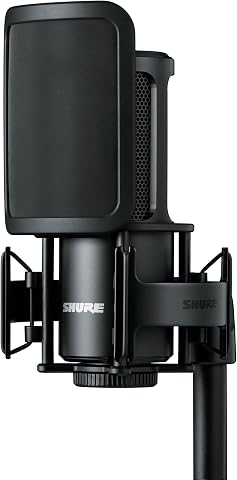
Among the named models, ThorstenMeyerAI.com calls the Audio-Technica AT2020 a budget-oriented XLR option and says it lacks USB connectivity and a built-in headphone jack. The guide describes the Shure SM4 as a newer option with tight cardioid pickup and high sound-pressure handling. It also names the RØDE NT1 Signature Series, Audio-Technica AT2035, AKG P120, FIFINE T669 and MAONO A04, but the supplied excerpt does not include the complete ranked list or descriptions of all 10 picks.
ThorstenMeyerAI.com distinguishes USB microphones, which connect directly to a computer, from XLR models that require an audio interface or mixer, a comparison also explored in this home recording guide. The guide presents the NT1 5th Generation’s USB-C and XLR combination as useful for buyers who may later change their setup. It says lower-cost USB kits such as the FIFINE T669 and MAONO A04 can make setup easier through bundled accessories, while their higher self-noise may make them less suitable for quiet, critical music recording.
Audio-Technica AT2020 Cardioid
AKG Pro Audio P120 2/3-Inch Di
RØDE NT1 5th Generation Studio
MAONO A04 Gen2 XLR/USB Condens
RØDE NT1 Signature Series Stud
The 10 picks
Choosing a Mic for AI Voice Work
Microphone choice affects the quality of the source audio used in voiceovers, speech capture and AI-assisted production. A USB model can simplify a basic computer setup, while an XLR microphone offers a route to using a separate interface. A hybrid model may suit someone who wants either option, but its value depends on the recording workflow and available budget.
ThorstenMeyerAI.com’s practical distinction is between quiet recording and convenience. The guide says low self-noise matters more for soft vocals and acoustic instruments, while bundled arms and pop filters may matter more to a first-time podcaster. Those are useful decision factors, but the article’s rankings should be read as editorial guidance: the supplied material does not show a standardized listening test or establish that one microphone is best for every AI-related task.
How the Guide Ranks Microphones
ThorstenMeyerAI.com says it assessed each microphone against five criteria: sound quality, self-noise, durability, connectivity and included accessories. The site also says it considered usability for podcasters, vocalists and instrumentalists. According to the guide, its method gives extra weight to versatility and long-term value, including whether buyers may need to purchase an interface, shock mount, pop filter or boom arm separately.
The guide describes self-noise as the microphone’s own noise, measured in dB(A), and says lower figures can help when recording quiet sources. It gives general examples of noise levels but does not supply a full specification table or explain how each figure was sourced. On room acoustics, ThorstenMeyerAI.com says cardioid microphones are intended to reduce sound picked up from behind, while noting that performance varies by model and room.
Limits of the Published Ranking
The supplied ThorstenMeyerAI.com excerpt does not show the complete 10-place ranking, prices, full specifications or the methods used to verify manufacturer claims. It also gives no test date, sample size or controlled comparison results. The guide’s descriptions of sound quality and room rejection should therefore be treated as its own assessments, not as independently established findings.
Although the guide’s title refers to microphones “for AI,” the excerpt does not define a separate AI use case or report tests involving AI software. It is not clear whether the phrase means recording speech for AI tools, producing voice content with AI assistance, or another workflow. Availability and pricing in 2027 are also not provided.
Check Specs Before Buying
Readers considering a model should compare current manufacturer specifications, connection requirements and the cost of any missing accessories before purchasing. They should also confirm that a chosen microphone suits the room and recording source; ThorstenMeyerAI.com’s guide emphasizes that USB or XLR compatibility, noise performance and included gear can matter as much as its overall ranking.
The supplied material announces no follow-up testing, updated prices or additional results. A useful next step would be a complete ranked list with dated pricing, sourced specifications and a clear account of how listening comparisons were conducted.
Key Questions
Which microphone does the guide rank first?
ThorstenMeyerAI.com names the RØDE NT1 5th Generation as its top pick, citing its combination of USB-C and XLR outputs. This is the guide’s ranking, not an independently verified overall winner.
Why does the guide recommend a microphone with both USB-C and XLR?
According to ThorstenMeyerAI.com, hybrid connectivity lets a user connect directly to a computer over USB-C or use XLR with an audio interface. Whether that flexibility is worth the price depends on the buyer’s setup and plans.
Which options does the guide identify as budget choices?
ThorstenMeyerAI.com describes the Audio-Technica AT2020 as a budget-oriented XLR microphone and mentions the FIFINE T669 and MAONO A04 as budget USB kits. The excerpt does not provide current prices.
Does the article prove these are the best microphones for AI?
No. The supplied material presents ThorstenMeyerAI.com’s editorial buying guide and does not report dedicated AI-workflow testing or a controlled comparison. The guide’s title reference to AI is not explained in the excerpt.
Source: ThorstenMeyerAI.com