Sri Lanka Wildlife Conservation Society marks more than 30 years of conservation work focused on supporting sustainable coexistence between people, wildlife, and shared landscapes.
— The Sri Lanka Wildlife Conservation Society (SLWCS) is celebrating more than three decades of conservation work in Sri Lanka. This milestone highlights the organization’s long-running efforts to address human–wildlife conflict through field research and community-based projects.
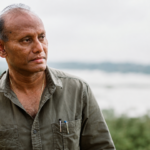
Founded in 1995 by Ravi Corea, SLWCS began its work as Sri Lanka was facing growing challenges associated with wildlife conservation and the expansion of agriculture and human settlements. Over the past 30 years, the organization has focused much of its fieldwork on the relationship between people and elephants, particularly in agricultural areas where the two increasingly share the same landscape.
The milestone comes after more than three decades of field projects examining human–elephant interactions and testing different approaches to reducing conflict. “This anniversary gives us an opportunity to look back at what we have learned from working directly with communities and wildlife over more than 30 years,” says Corea. “The circumstances have changed over time, but the need to understand how people and wildlife use the same landscapes remains.”
One of SLWCS’s earliest major initiatives was the Saving Elephants by Helping People project, launched in 1997. The project brought together field research, community participation, agricultural considerations, and conservation planning to examine the causes and consequences of human–elephant conflict.
Subsequent projects have included Project Orange Elephant, which explored the use of alternative crops along farm boundaries as a means of reducing elephant incursions into agricultural areas. SLWCS has also worked with communities on village-level elephant fencing and established the EleFriendly Bus Service, an initiative intended to reduce encounters between elephants and people using public transportation routes.
Together, the projects reflect an approach that has developed over decades rather than through a single intervention. “After more than three decades, one of the clearest lessons is that there is no single answer to human–elephant conflict,” Corea states. “Different communities face different circumstances, and measures that work in one location may not work in another.”
SLWCS has also conducted biodiversity and wildlife monitoring beyond its elephant-related work, including research involving carnivores, butterflies, marine life, habitat use, and wildlife movement. Its field activities have included camera monitoring, biodiversity surveys, habitat assessments, community surveys, and data collection. The organization’s international volunteer program has supported some of these activities by involving participants in field research, wildlife monitoring, habitat restoration, and community-based projects.
The milestone comes as human–wildlife conflict remains an ongoing issue in Sri Lanka and other parts of Asia where agricultural communities and wildlife habitats overlap. For SLWCS, the anniversary is a point of reflection on a body of field experience accumulated since the organization’s founding.
“Over 30 years of fieldwork does not provide a single formula for coexistence,” Corea remarks. “It provides experience, data, and lessons that can help us understand what happens when conservation, agriculture, and human communities occupy the same landscape.”
Contact Info:
Name: Ravi Corea
Email: Send Email
Organization: Sri Lanka Wildlife Conservation Society
Website: https://slwcs.org/
Release ID: 89202492
If you detect any issues, problems, or errors in this press release content, kindly contact error@releasecontact.com to notify us (it is important to note that this email is the authorized channel for such matters, sending multiple emails to multiple addresses does not necessarily help expedite your request). We will respond and rectify the situation in the next 8 hours.