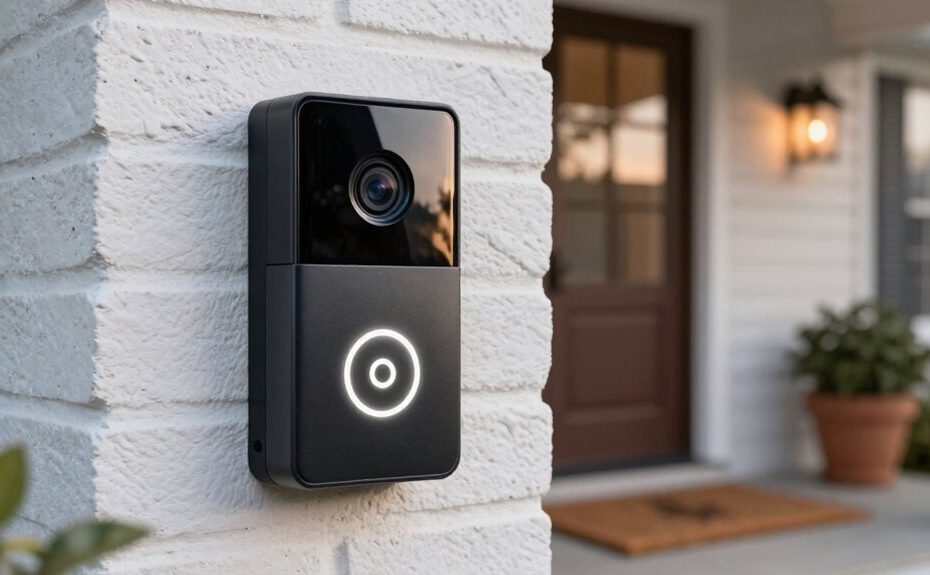
Video doorbells make your life easier by letting you see and speak to visitors remotely, manage deliveries, and improve security. However, they also raise questions about privacy and cybersecurity, such as data ownership, footage storage, and potential hacking risks. You need to make sure your device is secure and understand the privacy implications before installation. Want to know how to balance convenience with safety? Keep exploring to find out more.
Key Takeaways
Video doorbells allow remote monitoring and communication, increasing home convenience and security from anywhere.
Privacy concerns arise from potential footage exposure, data storage, and unauthorized access risks.
Security vulnerabilities include hacking through weak passwords, outdated firmware, and unsecured Wi-Fi networks.
A false sense of security may lead to complacency; proper device security and legal awareness are essential.
Regular updates, strong passwords, and cautious data management help balance convenience with safety.
Video doorbells have become a popular way to enhance home security and convenience, allowing you to see and communicate with visitors from anywhere. With just a tap on your smartphone, you can check who’s at the door, whether you’re home or away, making it easier to manage deliveries, visitors, or unwanted intruders. But as appealing as these devices are, they also bring up important questions about privacy and security that you shouldn’t ignore.
One major concern revolves around privacy. When you install a video doorbell, you’re essentially creating a surveillance system that records and transmits footage of your front porch and, potentially, your neighbors’ or passersby’s activities. If this footage isn’t properly protected, it could be accessed by unauthorized individuals, leading to privacy breaches. You need to be aware of where your data is stored—whether it’s on a cloud server or locally—and how it’s protected. Many manufacturers boast about encrypted storage, but vulnerabilities can still exist if the company’s security measures aren’t robust. This means your personal moments outside your home could be exposed if hackers find a way in.
Installing a video doorbell creates a surveillance system that needs proper data protection to prevent privacy breaches.
Security vulnerabilities extend beyond privacy. These devices are connected to your home Wi-Fi network, making them potential entry points for cyberattacks. Hackers could exploit weak passwords, outdated firmware, or unsecured networks to gain access. Once inside, they might disable your security system, spy on your activities, or even hijack your camera feeds. It’s not just a privacy issue but a real security threat, especially if you rely on your video doorbell as part of your overall home security setup. Keeping your device’s firmware updated and choosing strong, unique passwords can mitigate some risks, but the threat still exists if vulnerabilities aren’t addressed promptly. Understanding nail biology, such as how nails grow and their structure, might seem unrelated, but it highlights how crucial proper care and security measures are for overall health—whether it’s your home or your personal safety. Additionally, staying informed about cybersecurity best practices** can help you better protect your devices and data. Regularly reviewing your device’s access permissions and security settings can also reduce potential risks**.
Furthermore, the convenience of live video feeds can sometimes give a false sense of security. You might think that simply having a camera deters burglars, but savvy intruders could still target your home if they know your system isn’t fully secure. Also, the constant recording and sharing of footage raise questions about data ownership and how long your recordings are stored. Are you comfortable with third parties having access to your data? Do you understand your rights and the company’s policies? These are questions you need to consider before fully trusting a video doorbell with sensitive information. It’s also wise to stay informed about privacy laws to understand your rights regarding data collection and surveillance. Being aware of device vulnerabilities can help you take proactive steps to safeguard your home and personal information.
In the end, while video doorbells offer undeniable convenience and an added layer of security, they also require you to be vigilant about privacy concerns and security vulnerabilities. Educate yourself on best practices for device setup, data management, and cybersecurity. Only then can you truly enjoy the benefits of modern home tech without compromising your safety or privacy.
Frequently Asked Questions
How Long Do Video Doorbell Batteries Typically Last?
Your video doorbell batteries usually last between 3 to 6 months, depending on usage and settings. To maximize battery life, perform regular battery maintenance by keeping the device updated and cleaning contacts. If you want uninterrupted security, consider a power backup or wired connection. This way, even if the battery runs low, your doorbell stays active, ensuring continuous monitoring and instant alerts without frequent recharging.
Can Video Doorbells Be Hacked or Compromised?
You’re right to wonder if video doorbells can be hacked. Yes, cybersecurity concerns exist, and they can be compromised if you don’t take precautions. Hackers might access your footage or control your device, raising privacy implications. To stay safe, regularly update firmware, use strong, unique passwords, and enable two-factor authentication. Think of it as locking your door—better safe than sorry when it comes to your digital security.
Are There Any Legal Restrictions on Recording Visitors?
Yes, there are legal restrictions on recording visitors. You need to take privacy concerns into account and guarantee legal compliance, especially if you’re recording in areas where visitors have a reasonable expectation of privacy, like neighbors’ yards or public spaces. Generally, recording your own property is allowed, but capturing audio or video of others without their consent can lead to legal issues. Always check local laws to stay within legal boundaries.
How Do Video Doorbells Perform During Bad Weather?
Think of your video doorbell as a brave sailor steering through stormy seas. With proper weather resistance, it withstands rain, snow, and wind, ensuring it keeps watch no matter the weather. However, bad weather can challenge signal reliability, causing occasional blips or delays. To keep it sailing smoothly, choose a model with solid weather resistance and good signal strength, so you stay connected even through the fiercest storms.
What Is the Average Cost of Installation?
The average cost of installing a video doorbell ranges from $100 to $250, depending on the model and features. If you opt for DIY installation, you can save money since most doorbells come with detailed instructions and easy-to-follow steps. However, if you prefer professional installation, expect to pay additional installation costs, which can vary based on your home’s setup and the complexity of wiring.
Conclusion
While video doorbells offer incredible convenience, they also raise important questions about privacy and security. You get to see who’s at your door instantly, but remember, with great power comes great responsibility. Stay vigilant and informed about how your data is used. As the saying goes, “Forewarned is forearmed.” By balancing safety with awareness, you can enjoy the benefits without falling into pitfalls. Stay cautious, stay connected.